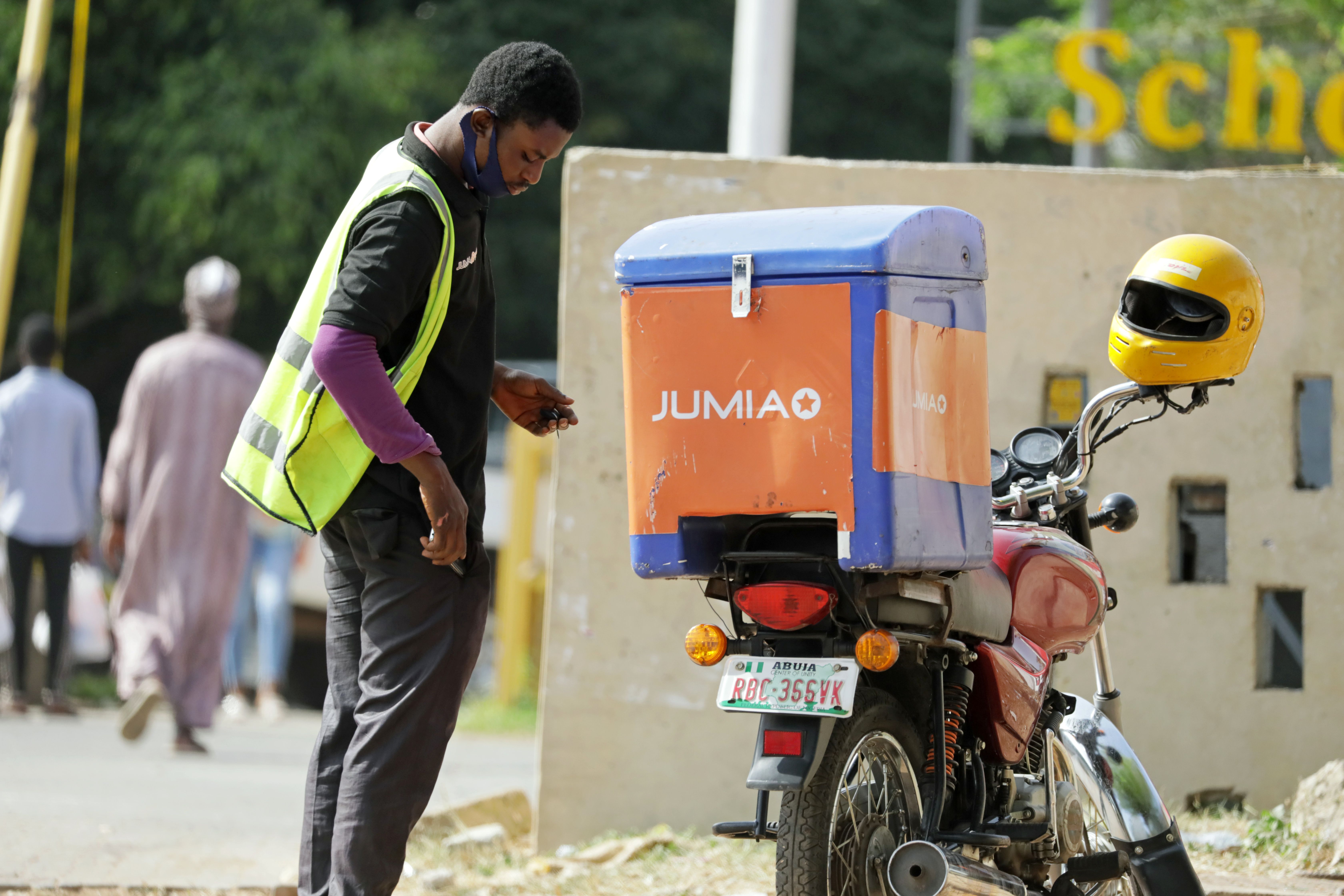
Founded 15 years ago, Jumia has served as the test case for the viability of online commerce in Africa, earning it the ‘Amazon of Africa’ moniker. But the company’s progress has been hampered by a tough macroeconomic environment, strategic missteps, and operational hurdles.
After years of bloat in pursuit of scale, Jumia has been on a fat-cutting operation since 2022, trimming the number of African countries in which it sells from 14 to 8, slashing several services like food and groceries deliveries, and prioritizing pick-up stations over door deliveries in the new cities it is expanding to. The company now employs fewer than 2,000 people, following an 11% fall in headcount between March and July, as it takes up AI to begin automating warehouse operations.
“Our warehouses today have no conveyor belts, for example. It’s a very different picture in an Amazon warehouse,” said Dufay.
The turn towards investors such as the IFC aims to consolidate on gains of the four-year restructuring process, signalling stability to the market with a steady gap between revenues and losses since 2022.
The IFC will not be hands-on in Jumia’s operations as a result of the equity investment, the CEO said, but the deal has a social impact dimension that both parties will explore. “For example, scaling electric vehicles for delivery operations, and installing solar panels on warehouses to remove diesel generators,” he said.