Every time a developer fires up Claude Code or Codex and leaves the model selector on the most capable (and most expensive) option, they're probably overpaying. Databricks found that models cluster into capability tiers, and that much everyday work , flipping a flag, a single-file edit, a well-scoped bug fix , simply does not require the most expensive models. The fix sounds obvious: route each task to the cheapest model that can handle it. The hard part is doing that automatically, without making developers think about it. That's exactly what Smart Routing does.
Databricks is launching Smart Routing as the next major cost control in Unity AI Gateway, now available in Beta. Unity AI Gateway provides a central place to get access to AI, manage spend, and enforce controls across an enterprise, and Smart Routing adds intelligent optimization by automatically matching tasks to the right model based on complexity. Smart Routing works directly in Claude Code and Codex, allowing teams to optimize the tools developers already use.
The cost problem hiding in plain sight
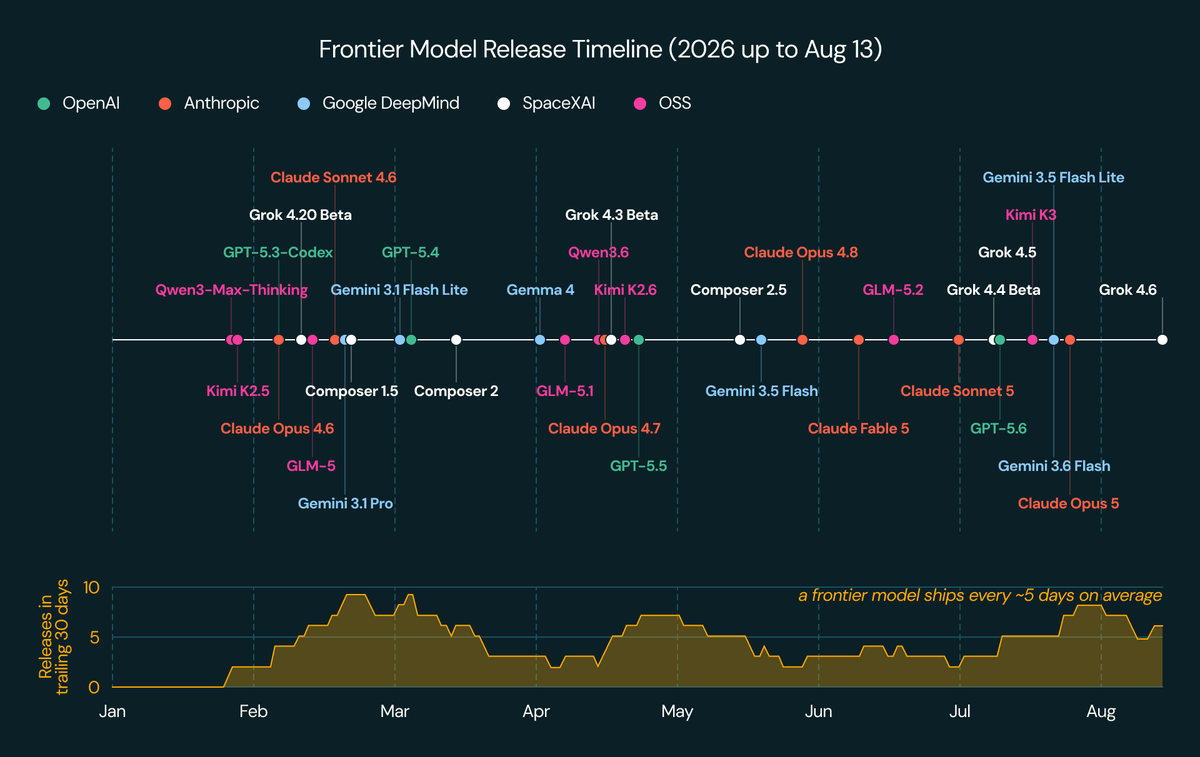
The price and performance frontier for coding tasks features a huge diversity of models and harnesses , in 2026 alone, 33 new models have been released. That explosion of choice has a paradoxical effect: one of the biggest opportunities is matching each task to the right model instead of defaulting every task to the most capable option. Just leveraging lower-cost models can save 50%+, but it's incredibly daunting for users. Faced with choice overload, most teams just pin the most powerful model at maximum effort and move on , paying frontier prices for tasks that don't need frontier intelligence.

Unity AI Gateway governs what agents do at runtime: hard spend caps, smart routing, service policies, and PII guardrails. Smart Routing is the newest addition to that stack, and it's the one that directly attacks the token bill.