Democratic party leaders have found themselves unable to stave off an embarrassing schism in Michigan’s must-win Senate race, a crisis that may offer a glimpse of internal battles to come.
Days of frantic shuttle diplomacy and attempts to organize a joint appearance by erstwhile Senate primary rivals Abdul El-Sayed and Rep. Haley Stevens culminated in Stevens’ surprise Sunday endorsement of Republican nominee Mike Rogers.
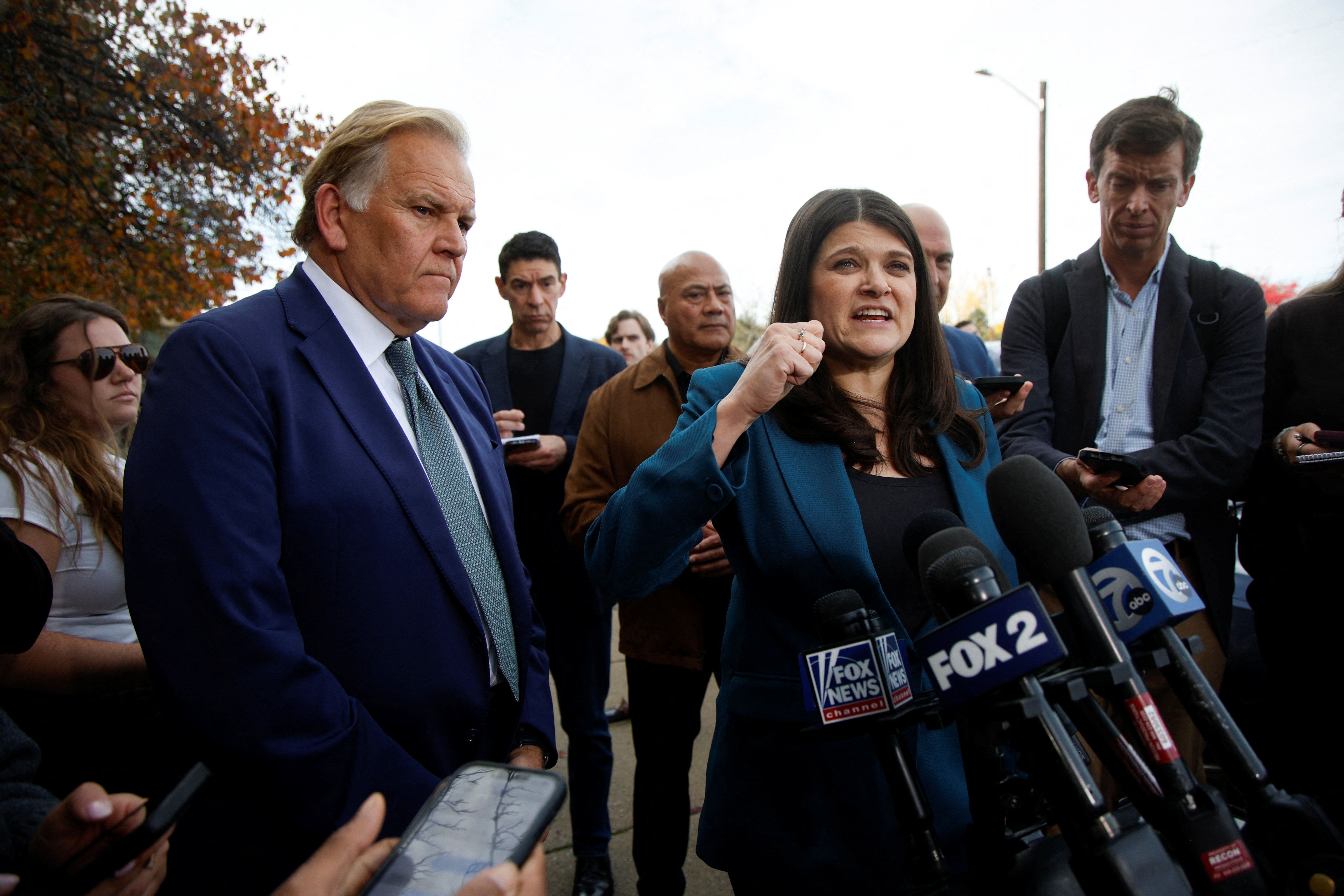
Stevens appeared with Rogers at a Black church in Detroit less than 24 hours after vowing to colleagues that she would back El-Sayed, winning praise from President Donald Trump and calls for her eviction from the House Democratic Caucus. But perhaps the most stunning aspect of the crackup was how hard senior Democrats had worked to avoid it.
Party leaders like Reps. Debbie Dingell, D-Mich., and Jim Clyburn, D-S.C., were pushing hard to get El-Sayed and Stevens on the same page for a show of unity going into Tuesday’s critical elections. Rep. Jamie Raskin, D-Md., said on national TV hours before Stevens’ defection that she had personally assured him on Saturday night she’d be backing El-Sayed.
Raskin told Semafor in an interview Sunday: “I was blindsided, and I feel dumbfounded by the whole thing.”
While the Senate race remains very close, it’s not clear how much Stevens’ turnabout will affect the final balloting. She has, however, laid bare deep divides within the party — principally over Israel and the establishment’s relationships with the left wing.
House Minority Leader Hakeem Jeffries’ statement backing El-Sayed after the flap did not mention Stevens, a member of his caucus, by name. Senate Minority Leader Chuck Schumer, who had initially favored her as a better general election candidate than El-Sayed, called her endorsement of Rogers a “despicable betrayal.”
Many in the party believe leaders were powerless over Stevens: “I certainly don’t think it’s somebody else’s fault, other than Haley Stevens,” said a Michigan Democratic operative.
Yet Michigan, where El-Sayed was struggling to win over some Jewish and Black voters even before this week, is now set among the first-in-the-nation Democratic nominating states. And the party’s inability to come together during the final week of the election is likely to haunt it well into the 2028 primary.