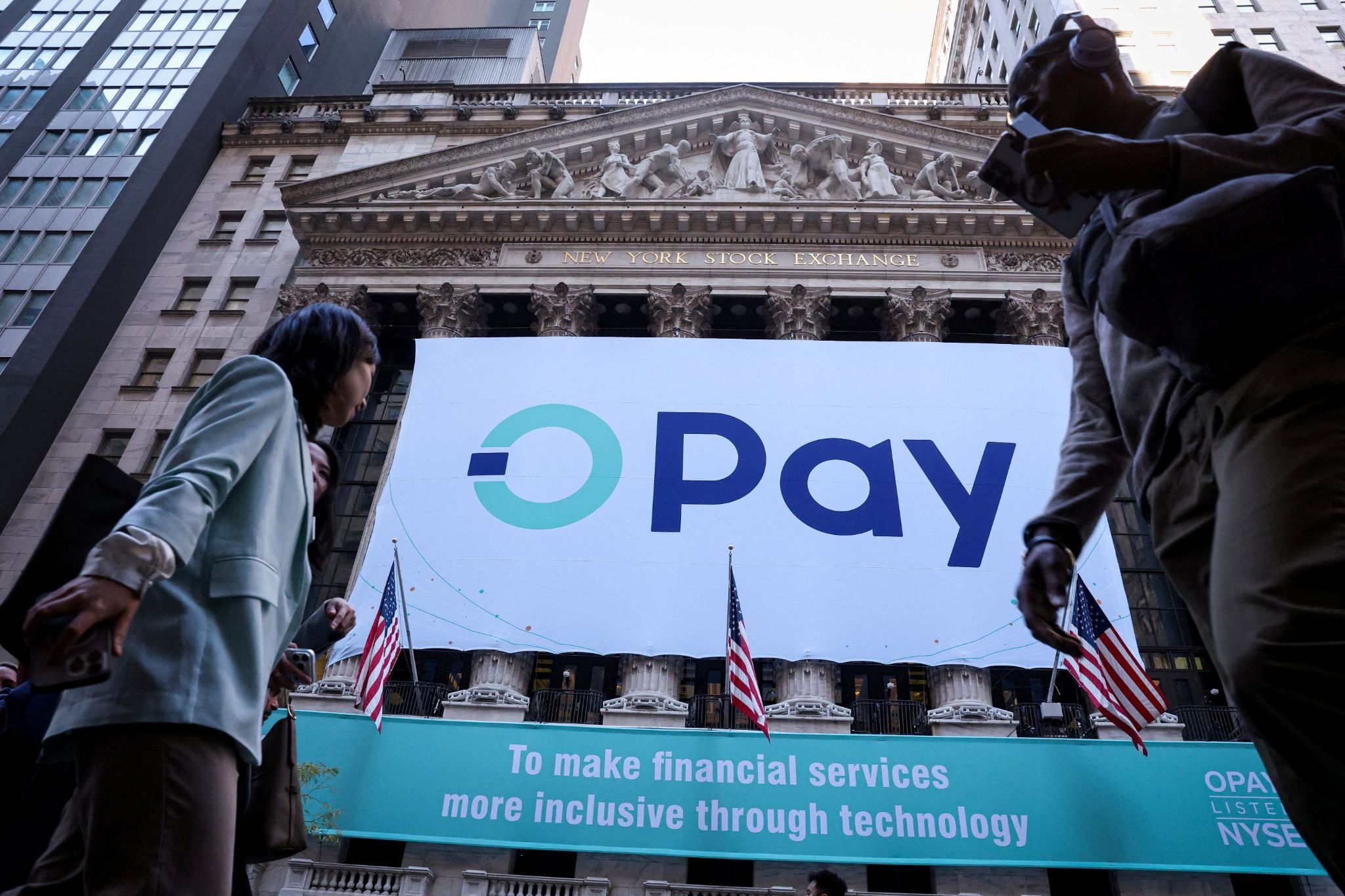
OPay, which launched in 2018 as a payments company, also outlined plans for a secondary listing on the Nigeria Stock Exchange after the NYSE debut to give local investors an opportunity to buy into a business that drives nearly nine-tenths of its revenue from Nigeria. But the F-1 filing warned investors that shares traded in Lagos may not be exchangeable for the New York-listed American depositary shares, potentially limiting liquidity and allowing prices to diverge.
A key part of the IPO is a broader strategic relationship with Standard Bank Group, Africa’s largest lender by assets. Its subsidiary, Stanbic Africa Holdings, has agreed to invest up to $200 million, subject to a formula that caps its stake at 4.99% of OPay after the offering. Standard Bank’s Africa head Lungisa Fuzile is expected to join OPay’s board following the IPO.
The two companies have also signed a non-binding memorandum of understanding to explore partnerships spanning payments, merchant acquisition, lending, remittances, and the distribution of selected banking and financial products. OPay suggested in the filings that it will use Standard Bank’s infrastructure, regulatory expertise, and presence to expand across Africa.