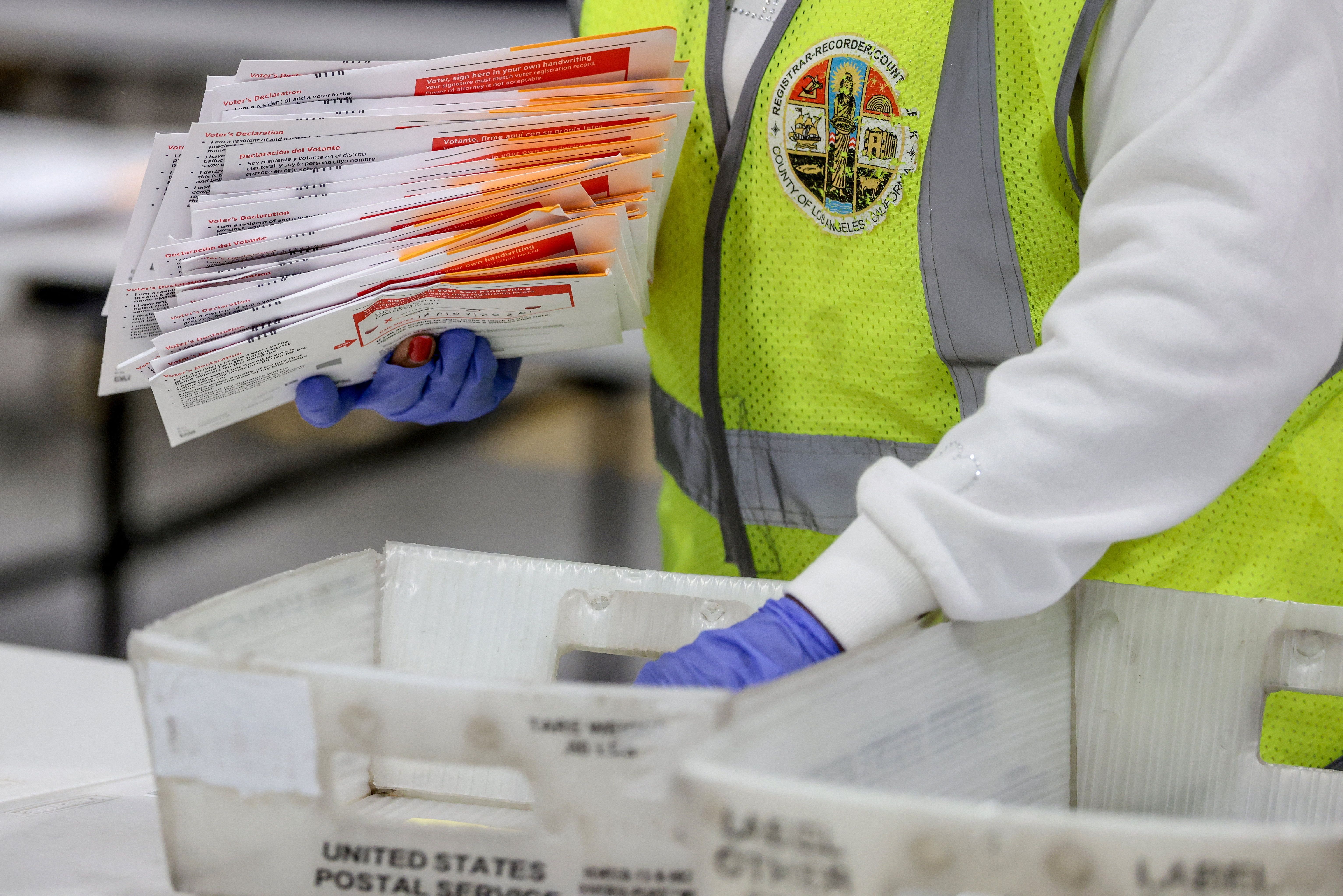
The modern Election Day media contains three things: anecdotes about how many people are voting; anecdotes about chicanery and hoaxes; and, long after that, results.
Early voting trends and stories about how long the lines are in reliably red or blue districts are tempting to use as data points — but are notoriously misleading. You can only vote once, and it doesn’t count more if it comes in early, rather than if you wait until Tuesday to stand on line.
Then there are the anecdotes. One, inevitably, will be that a voting machine somewhere in the US is on the blink. The influencers will be all over it. X, in particular, is now hyper-charged to reward engagement. A video — real or manipulated — of a machine in Pennsylvania or Arizona appearing to refuse to accept votes for one candidate is engagement gold. When you see these posts, remember that the US election system is wildly decentralized, secure, and largely offline, and that this story circulates every year.
There will also be hints and rumors of poll-site interference or intimidation. Both parties have a maximal incentive to play up anything like this, both as an early warning in case it’s real, and to motivate voters in any case. This is a global phenomenon: Recent elections in Israel and Brazil were marked by wildly viral claims of misconduct — foreign funding of Arab voters in Israel’s case, polls being kept open too late in Brazil’s — that evaporated the next day when they were no longer relevant.
Media companies, of course, have our own incentives to keep you engaged. There will be nonstop panels on TV and livestreams, analysts repeating analysis of days-old polls, and — come afternoon — figures from exit polls suggesting that Hispanics are voting in large numbers, or that the economy is a major issue. (These exit poll analyses are both largely useless and often corrected in the days after the election, but they fill the air.)
So, Election Day is a good day to sleep late, see You Can See Everything (if you haven’t yet), and, of course … watch our livestream.
Then when the polls start closing at 6 pm EST, the news arrives: Numbers start rolling in to replace the chatter. And, on their heels, often, litigation.