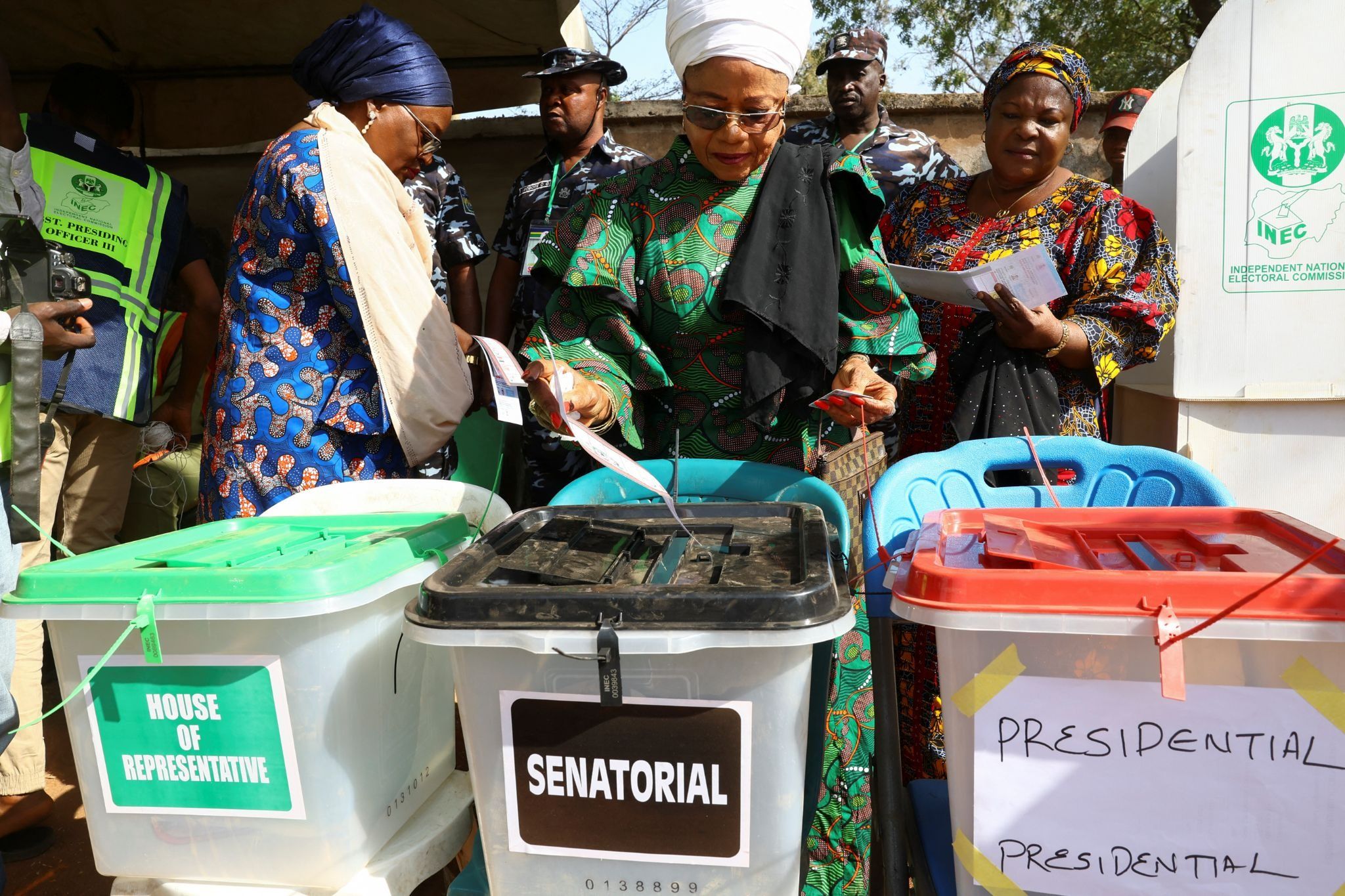
These responses have been unsatisfactory given the gravity of the situation, analysts say. “INEC wants to make light of it to say that they are doing a cleanup,” Kolawole Oluwadare, a senior official at Lagos-based rights group SERAP, told Semafor. “This goes beyond what INEC can handle in house, which is why we are calling for an audit” by an external body, he added.
Martin Uwakwe, a US-based technology analyst who reviewed the draft roll, found several errors in the register beyond the AI-generated issues, including duplicates and the presence of people who had died. He said the electoral commission could use Nigeria’s existing identity database to authenticate voter data and ensure integrity. “These things are very easy to do but I don’t know why we are still having this conversation in 2026,” he told Semafor.
Resolving issues with the register is critical for voting to be credible on election day. With each election cycle, Nigeria has increased the role of digital technology, including biometric tests, in the voting process to improve transparency and efficiency. But the present qualms around AI manipulation of voter data may make people skeptical of the reported outcome.
For example, the portable electronic devices that will be used to accredit voters on election day (known as BVAS) could be manipulated by those who have access to the back end potentially disenfranchising unwanted voters. “If the people with access are compromised, it becomes an issue,” Uwakwe said.