For decades, Gulf oil and gas companies boasted of their reliability. But recent deals point to a new recognition: The region can no longer guarantee energy security for the world. Instead, Gulf producers will spend the next decade investing internationally, enmeshing themselves in global energy supply chains so the region is ready when the next disruptions hit.
In the early days of the Iran conflict, as oil shipments through the Strait of Hormuz virtually ground to a halt, their focus was on rerouting. New pipelines, railways, and ports were discussed as ways to get around the chokepoint.
Saudi Arabia’s East-West pipeline proved to be a crucial lifeline, both for energy markets and the kingdom’s financial health, as did Abu Dhabi’s pipeline to Fujairah. Both are now being expanded. But as Houthi attacks on the Saudi pipeline have shown, Plan B isn’t enough. The problem isn’t just a couple of narrow waterways, it’s the inability to ensure the security of Gulf energy facilities in a crisis.
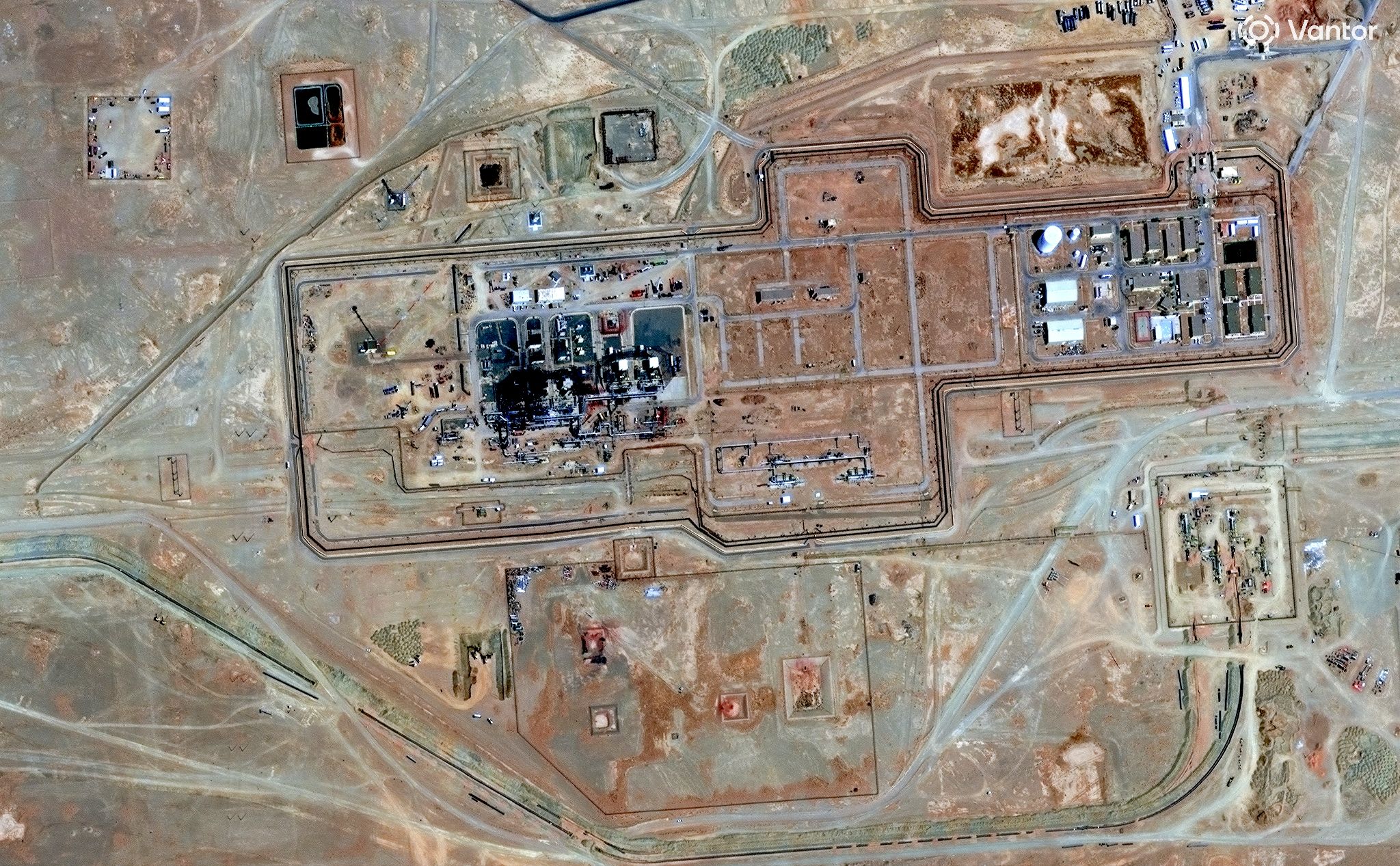
This year’s conflict has shown the relative ease with which cheap drones can slip past some of the world’s most expensive air defense systems and hit pipelines, ports, and ships. Pouring billions more into new pipelines may achieve little more than creating a longer target list and spreading defensive systems more thinly. The outcome of the US midterms makes it more likely the Iran conflict remains unresolved from the Gulf’s perspective — with President Donald Trump possibly facing constraints on his ability to pursue “finish-the-job” strikes and a track record of failed diplomacy that may not get any better faced with Iran’s famously tough negotiators. That ensures fundamental animosity in the region will continue to fester.
But even if the Iran war is settled today — bringing to an end Houthi threats to shipping through the Bab el-Mandeb Strait and Iranian attacks on shipping through the Strait of Hormuz — the Gulf’s reputation as a reliable supplier of oil and gas has been irreparably damaged.
To avoid losing market share, the Gulf is readying itself for when instability next hits.
QatarEnergy is buying up international LNG shipments as a hedge against any future closure of the Strait of Hormuz. Abu Dhabi had already launched an international investment plan before the war and is now accelerating its ambitions.
Saudi Arabia’s latest deal, to store oil in underground caves in Singapore, may not be big enough to sway global markets. But it, too, is a statement of intent — in this case to build reserve capabilities around the world, ready for a worst-case scenario.
Expect to see many more similar deals in the months ahead. Unable to ensure the security of domestic infrastructure, Gulf energy companies will increasingly hedge by going global.