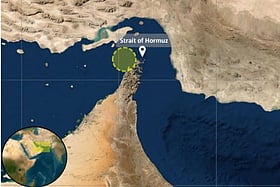
Hormuz traffic remains far below normal
The JMIC said commercial vessel movements through the Strait of Hormuz remained "substantially reduced" compared with the 2025 baseline.
Independent tracking data showed only single-digit to low-double-digit transits daily, underscoring the continuing reluctance of shipping operators to use the waterway amid security threats.
What this means for global shipping
The latest assessment paints a mixed picture: maritime traffic continues across the region, but the Strait of Hormuz remains the principal security flashpoint.
The combination of attacks, surveillance, military enforcement and depressed vessel movements continues to complicate shipping operations, insurance decisions and energy transportation.
For oil-importing economies, prolonged disruption around Hormuz carries risks of higher freight costs, insurance premiums and energy-price volatility.