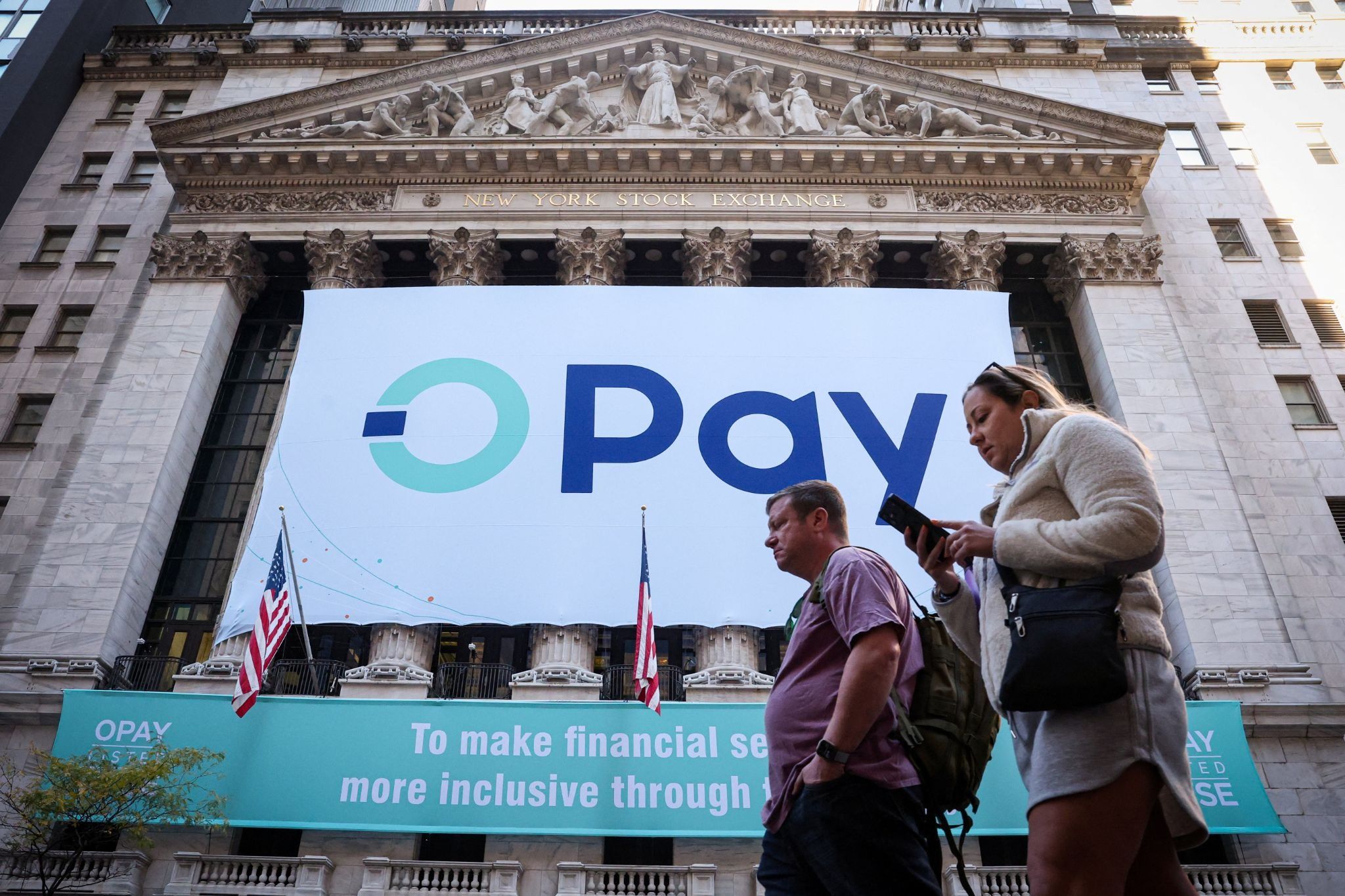
In its prospectus filing, the company advised investors of the risk with Chinese regulators even though it does not operate there. OPay acknowledged that there were uncertainties over whether it might need approval from the authorities in Beijing to list in the US. However, citing advice from its Chinese legal counsel, the company said it did not believe it was required to obtain approval from the China Securities Regulatory Commission .
The deal’s earlier documentation also listed China International Capital Corporation’s Hong Kong securities business among the transaction’s bankers, alongside Citigroup, Deutsche Bank, and South Africa’s Standard Bank. CICC was subsequently absent from the list of underwriters accompanying Friday’s announcement, a detail that may have been an early indication of complications.
Those close to the deal also pushed back against suggestions that the IPO had been priced too aggressively. OPay set 16 million American depositary shares at $19 each, the bottom of its $19-$21 target range. The shares were subsequently indicated to open below the offering price, but the company withdrew before trading began.