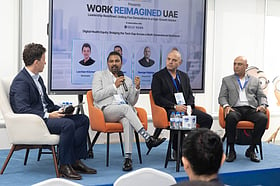
“Organisations need to move beyond occasional wellness programmes and create an environment where people feel valued, supported and empowered to perform at their best,” he says.
Leadership, he adds, has a direct role in making this happen. “When leaders genuinely care about their people, encourage open communication, recognise contributions and create opportunities for growth, well-being becomes part of the organisation’s everyday culture.”
The link between employee well-being and business performance is another important consideration. “Well-being and performance are not competing priorities. They reinforce each other. Employees who feel supported are more likely to be engaged, productive and committed to the organisation’s long-term success,” Babur says.
He also points to the need for measurable outcomes, rather than relying on good intentions.
“Organisations should consistently evaluate employee feedback, engagement levels, absenteeism, retention and productivity to understand what is working and where improvements are needed,” Babur says, adding, “Ultimately, the strongest workplace cultures are built when organisations invest in their people with the same discipline and long-term thinking they apply to business growth.”
Well-being across the employee journey
Discussions will consider how organisations can make well-being part of the entire employee journey. Panellists will explore how HR teams and managers can spot early signs of stress and disengagement, address pressure points during onboarding and professional development, and handle performance reviews and employee exits with greater care.
Digital overload and its impact on concentration and productivity will be another focus. With constant messages, back-to-back meetings and multiple digital tools competing for employees’ attention, panellists will discuss ways to protect time for focused work, reduce unnecessary digital distractions and make room for recovery.
The agenda will also consider the value of measuring performance through outcomes rather than hours spent online. Panellists will share practical approaches to healthier work routines that support sustained productivity while meeting organisational goals.