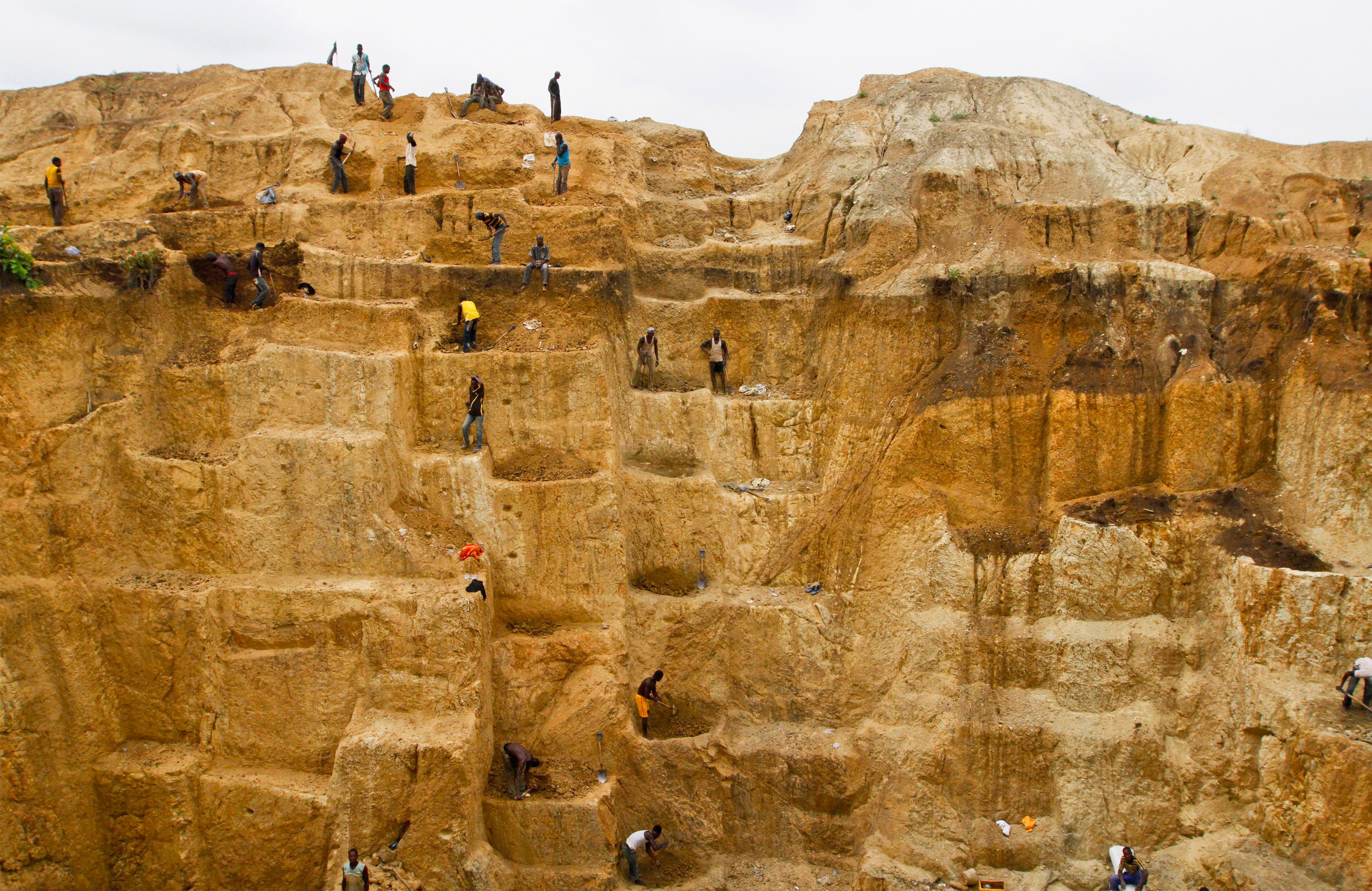
A global boom in electric vehicles adoption and data center construction for artificial intelligence services is driving up demand for critical minerals. In Africa, that has meant increased attention on countries such as DR Congo and Zambia, due to their endowments of cobalt and copper. Zimbabwe’s unrivalled reserves of lithium have invited more than $2 billion in Chinese investment since 2021.
Nigeria values its untapped mineral deposits at more than $700 billion, and some recent milestones this year speak to the sector’s promise. A $250 million Chinese-built lithium processing plant was opened to much fanfare in the northern Nasarawa state in July, a month after new copper, lithium and rare earths discoveries were announced by the government.
But Nigeria remains in competition with the rest of the continent for the largest mining deals. US-backed Orion CMC, which agreed to acquire Glencore’s DR Congo assets worth $9B, plans to invest in a $940 million Tanzanian project that will produce nickel concentrate, copper and cobalt. Zimbabwe’s lithium miner Mutapa Resources raised $300 million to build a mine and processing facility. Kenya recently found a rare earths stockpile.
Shinkafi believes a combination of tax holidays, full repatriation of earnings and a non-insistence on part ownership in mining projects makes Nigeria’s mining laws friendly to investors. “We’re not nationalistic in the way of saying we must own part of what you’re doing.”
For the grants program, however, the government may take a stake in ventures that it invests in, but with a structure that allows for an exit whereby other investors can buy the government out later, Shinkafi said. Her fund has received “hundreds of applications” since floating the grants in June, and is currently appraising multiple projects for funding, she said.