AI/ML News & Innovations Hub

AI/ML news, top picks, and generated innovation digests.

★ Visit ai-karthik.com
422Sources
30966News Items
8Top Picks
185Blogs
successLast Run

Latest AI/ML News

30966 matching items

Data Science Stack Exchange 2026-06-10 02:28 UTC Score 20.0 AI-111-20260610-social-media-28fa063b Full article

I am trying to understand Monotonic Alignment Search

I have already come into the part of CTC, and I am reading the paper of Flow-TTS recently. What I cannot understand is that the algorithm did not rely on the label, but with the features inside the Mel-spectrogram, then it can alignment the tokens. I know it is trying to predict the probability each frame is by the token, but I cannot quite understand the loss part. Seems it is combined with encoded mel-spectrogram, mu and sigma. And I am confused about that. Thank you very much..

TWIML AI Podcast 2026-06-09 19:25 UTC Score 32.0 AI-148-20260609-podcasts-and-53454ecf Full article

Is RAG Dead? Lessons from Building AI for Tax Law with Alex Bowcut - #769

As context windows grow into the millions of tokens, many AI practitioners are questioning whether retrieval-augmented generation (RAG) is still necessary. If modern models can ingest entire libraries of documents, why bother with retrieval at all? In this episode, Alex Bowcut, Head of Engineering at Sphere, explains why the answer depends on the application. Sphere uses AI to automate global tax compliance—an environment where getting the answer right isn’t enough. Every conclusion must be backed by the correct legal citation, and every decision must withstand expert review. We explore how Sphere built TRAM (Tax Review and Assessment Model), a production AI system that combines retrieval, reasoning models, legal review workflows, reinforcement learning, and deterministic systems to help tax experts move nearly two orders of magnitude faster while maintaining accuracy. Along the way, we discuss why RAG remains critical in high-stakes domains, how Sphere processes legal and regulatory documents from jurisdictions around the world, retrieval architectures, semantic chunking, dense versus sparse retrieval, expert feedback loops, and the challenges of building AI systems that people can actually trust. 🗒️ Full show notes: https://twimlai.com/go/769.

Lyft Engineering 2026-06-09 17:30 UTC Score 30.0 USR-0059-20260609-ai-specialis-c1d2b50b Full article

From Chaos to Clarity: How We Built a Unified, Self-Routing Support Ops Ticketing System at Lyft

Written by Atul Gupta , Analytics Manager — LUS Support Ops, Lyft At Lyft, getting operators and riders connected quickly and reliably depends on more than technology — it depends on the teams working behind the scenes to keep that technology running smoothly. For the operators managing Lyft’s fleet across markets, having fast, reliable access to support is what keeps bikes on the road, stations stocked, and issues resolved before they affect riders. Building the infrastructure that makes that support possible is what our team does; this is the story of how we built it. When I first joined Lyft Urban Solutions’ (LUS) Support Ops team in 2020, ticketing processes for our operators were still being established. There was no reliable way to raise issues, track progress, or get routed to the right person. We had a Jira Help Center, but it had become increasingly difficult to navigate. What followed was a five-year journey of transforming that chaos into a streamlined, automated, self-routing system that now handles thousands of tickets per year, with one third of those routed automatically — saving hours of manual triage work annually. The Problem: Organic Growth Gone Wrong On the surface, a Jira Help Center sounds like a reasonable solution. In practice, ours had become a maze. Here’s what we were dealing with: Duplicate intake forms doing the same job under different names Redundant categories with no clear ownership Forms that didn’t capture the right information upfront, for…

Cornell AI Initiative 2026-06-09 17:06 UTC Score 42.0 USR-0014-20260609-research-aca-4eb2c869 Full article

Can robots read the room?

Artificial intelligence may one day give robots social intelligence, but so far, existing models do a poor job of using human facial cues to predict the outcome of a situation. The post Can robots read the room? appeared first on Cornell AI Initiative .

CSET AI 2026-06-09 16:22 UTC Score 27.0 USR-0136-20260609-research-aca-2f322fd6 Full article

What Do AI Standards Mean for Small and Medium Enterprises?

While AI standards and best practices provide valuable guidance to practitioners, they often are geared toward integrating AI into the structure and practices of large, well-resourced organizations. Yet small and medium enterprises (SMEs) stand to benefit greatly from AI adoption as well. This blog examines the implications of AI standards for smaller organizations and proposes several achievable initial steps that practitioners can take to further responsible AI deployment under resource constraints. The post What Do AI Standards Mean for Small and Medium Enterprises? appeared first on Center for Security and Emerging Technology .

Vector Institute News 2026-06-09 15:32 UTC Score 35.0 USR-0017-20260609-research-aca-14bb4052 Full article

Vector welcomes Canada’s AI Strategy: AI for All

Prime Minister Carney launched AI for All, Canada’s new national AI strategy. It’s a moment that Vector, and anyone dedicated to building Canada’s AI future, have been diligently working towards. […] The post Vector welcomes Canada’s AI Strategy: AI for All appeared first on Vector Institute for Artificial Intelligence .

Data Privacy Brasil AI 2026-06-09 14:50 UTC Score 32.0 USR-0222-20260609-ai-specialis-91b77844 Full article

Dadocracia – Ep. 201 – IA nos Apps de Relacionamento

No episódio 201 do Dadocracia, falamos sobre as mudanças nos apps de relacionamento: recursos de auxílio para conversas, seleção de fotos e, em alguns casos, a preferência de parte dos usuários por se relacionar diretamente com sistemas de IA. O post Dadocracia – Ep. 201 – IA nos Apps de Relacionamento apareceu primeiro em Data Privacy Brasil Research .

Ben’s Bites 2026-06-09 13:02 UTC Score 3.0 AI-128-20260609-newsletters-9668522b Full article

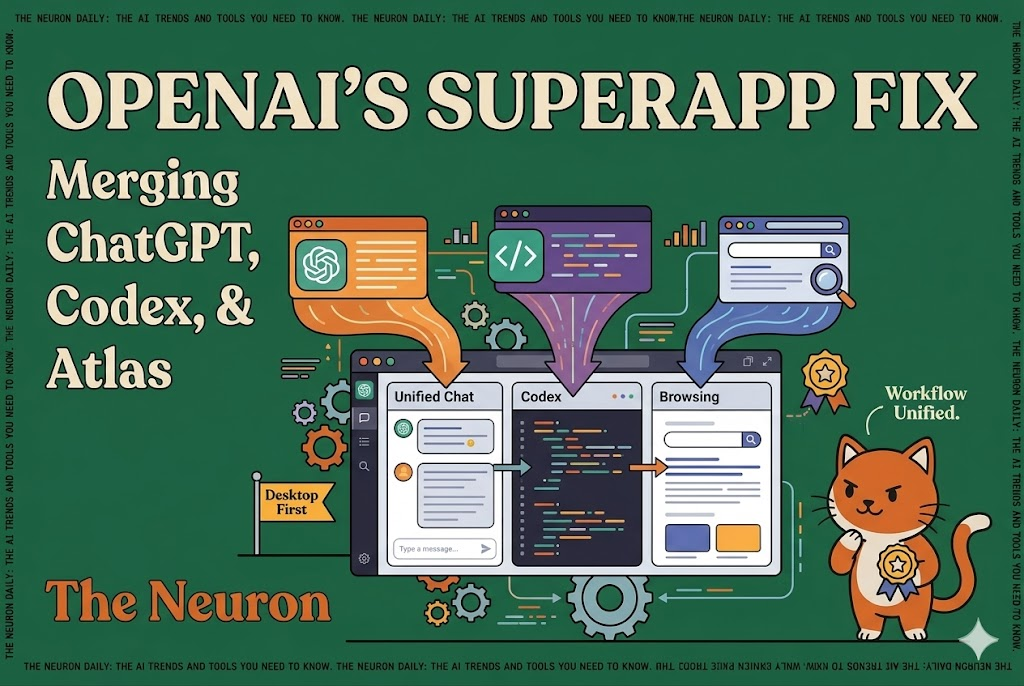
Hey Siri, meet AI

what's the deal with loops

Gradient Flow 2026-06-09 13:00 UTC Score 35.0 USR-0119-20260609-ai-specialis-4d2687f1 Full article

12 GW announced. 5 GW under construction. What happens next?

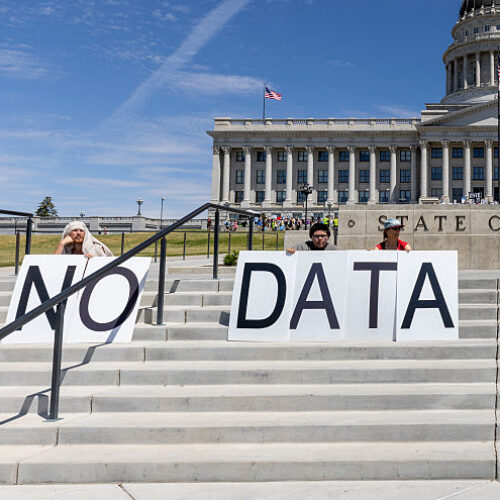
Subscribe • Previous Issues The Gap Between the Press Release and the Power Grid Back in February, I wrote about what I called the “Data Center Rebellion,” the growing local resistance to the physical infrastructure behind AI. Since then, I have been asking tech people around the Bay Area how closely they are following the backlash. The Continue reading "12 GW announced. 5 GW under construction. What happens next?" The post 12 GW announced. 5 GW under construction. What happens next? appeared first on Gradient Flow .

AI Can Help Track the World’s Shrinking Glaciers
IEEE Spectrum AI 2026-06-09 13:00 UTC Score 47.0 AI-019-20260609-global-ai-ne-51ef6519 Full article

AI Can Help Track the World’s Shrinking Glaciers

Tracking how fast glaciers are shrinking is crucial for measuring the pace of climate change and projecting future sea level rises. This is normally a painstaking manual job, but a new approach that enables AI to analyze satellite images of glaciers anywhere in the world could help automate the monitoring process. Glaciers that flow directly into the ocean play a crucial role in the earth’s climate, but global warming is making them retreat ever faster. This can have severe knock-on effects as ice that breaks away from “calving fronts”—the ends of glaciers where icebergs shear off into the water—dumps massive amounts of freshwater into the sea, which can alter ocean currents and cause sea levels to rise. Bright white glaciers also reflect a lot of sunlight. When they shrink, they expose dark seawater that absorbs heat from the sun. All of this means that tracking glacier loss is critical for understanding how both local and global climate conditions will change over time. But the number of glaciers that need to be monitored around the world far outstrips the capacity of human analysts. There is hope that AI-based image analysis could help plug the gap, but previous models have performed poorly on regions not included in their training data. This severely limits the applicability of the approach, given how difficult it is to collect manually-labeled images. Now, a paper accepted to the IEEE International Conference on Image Processing (ICIP) shows that a leading deep learning…

😺 Apple finally rebuilt Siri
The Neuron 2026-06-09 10:00 UTC Score 3.0 AI-127-20260609-newsletters-181ee90e Full article

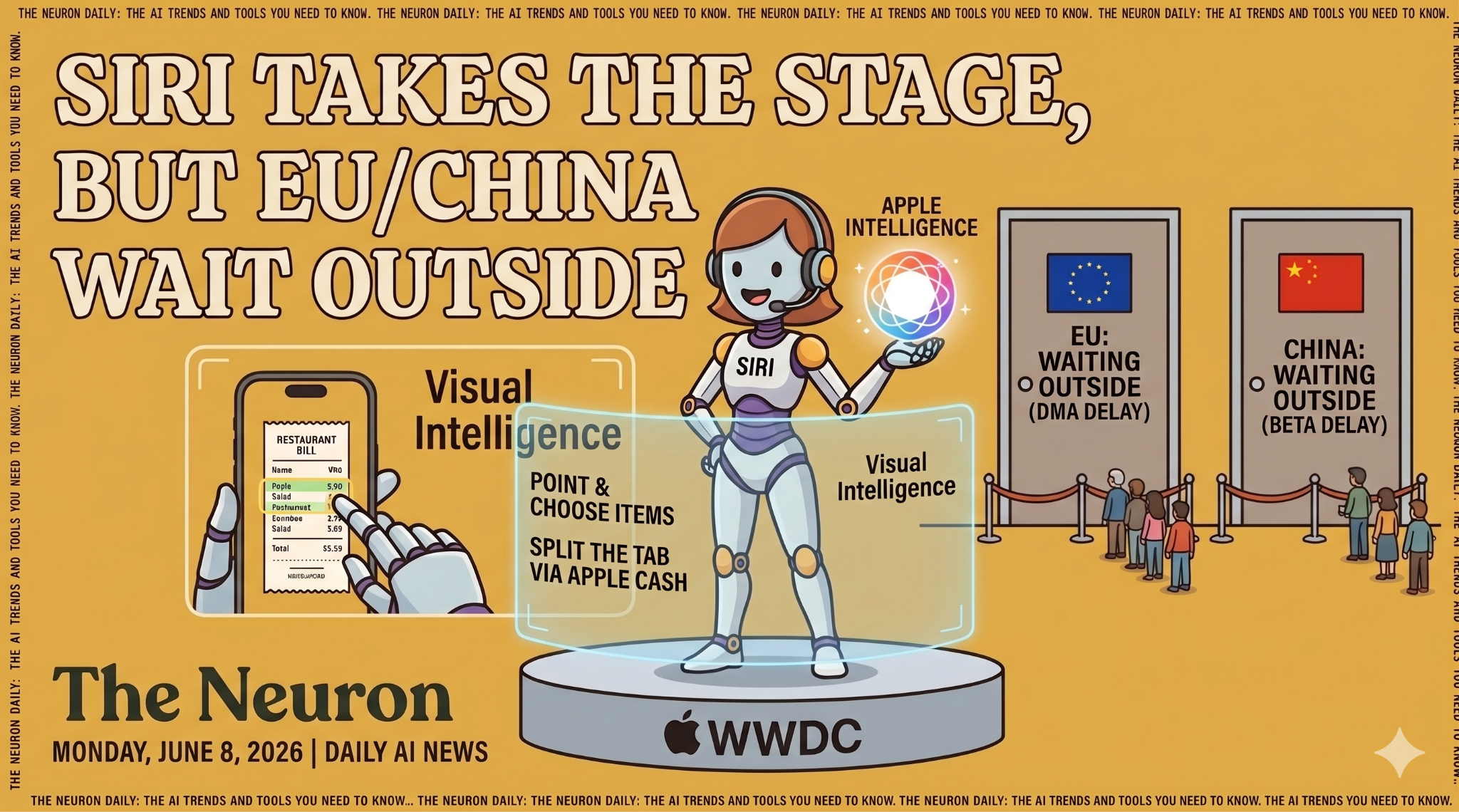
😺 Apple finally rebuilt Siri

PLUS: Apple turned Siri into an OS layer. Now it has to work.

Stack Overflow AI Blog 2026-06-09 07:40 UTC Score 41.0 USR-0063-20260609-ai-specialis-435ba2ff Full article

Creating checkpoints by gaslighting a Postgres database​​​​‌‍​‍​‍‌‍‌​‍‌‍‍‌‌‍‌‌‍‍‌‌‍‍​‍​‍​‍‍​‍​‍‌​‌‍​‌‌‍‍‌‍‍‌‌‌​‌‍‌​‍‍‌‍‍‌‌‍​‍​‍​‍​​‍​‍‌‍‍​‌​‍‌‍‌‌‌‍‌‍​‍​‍​‍‍​‍​‍‌‍‍​‌‌​‌‌​‌​​‌​​‍‍​‍​‍‌‍​‌‍‌‌​​‍‍‌​‌‌​‌‍​‌‌‍​‌‍‍‌‍‌‌‍‌‍‌‌‌​‍‌‍‌‍‌‍​‌‍‌‌​‍‍‌‍​‌‍​‍‌‍‍‌…

Ryan welcomes Bryan Clark, director of product for Lakebase at Databricks, to discuss what happens when AI agents become the primary creators and users of databases; why agents are “sloppy” about cleaning up infrastructure; and how database branching, scale-to-zero, and centralized access control can help teams keep up with agent-driven development.​​​​‌‍​‍​‍‌‍‌​‍‌‍‍‌‌‍‌‌‍‍‌‌‍‍​‍​‍​‍‍​‍​‍‌​‌‍​‌‌‍‍‌‍‍‌‌‌​‌‍‌​‍‍‌‍‍‌‌‍​‍​‍​‍​​‍​‍‌‍‍​‌​‍‌‍‌‌‌‍‌‍​‍​‍​‍‍​‍​‍‌‍‍​‌‌​‌‌​‌​​‌​​‍‍​‍​‍‌‍​‌‍‌‌​​‍‍‌​‌‌​‌‍​‌‌‍​‌‍‍‌‍‌‌‍‌‍‌‌‌​‍‌‍‌‍‌‍​‌‍‌‌​‍‍‌‍​‌‍​‍‌‍‍‌‌‍‍‌‌​‌‍‌‌‌‍‍‌‌​​‍‌‍‌‌‌‍‌​‌‍‍‌‌‌​​‍‌‍‌‌‍‌‍‌​‌‍‌‌​‌‌​​‌​‍‌‍‌‌‌​‌‍‌‌‌‍‍‌‌​‌‍​‌‌‌​‌‍‍‌‌‍‌‍‍​‍‌‍‍‌‌‍‌​​‌​‍‌‌‍​‌‍​‍​​​‌‍​‌‍​‍​​​‍‌​‍‌‌‍‌‍‌‍​‌‍​​‍‌​‍‌​‌​‌‍​‍​​​​‍‌​‍‌​‍‌​​‍‌‍‌‌​‌‍​‍‌​‌‍‌‍​‌​‍​‌‍​‌‌‍‌​‌‍‌‌‌‍‌‍​‍​‌‍‌​‌‍​​​​​​‍​‍‌‌​‌‍‌‌​​‌‍‌‌​‌‌‍​‍‌‍​‌‍‌‍‌‌‌​​‌‍‌​‌‌​​‍‌​​‌‍​‌‌‌​‌‍‍​​‌‌‍‌‌‌‍​‌‍​‌‍‌‌‌​‍‌​​‌‌​​‌‍​‍‌‍​‌‌​‌‍‌‌‌‌‌‌‌​‍‌‍​​‌‌‍‍​‌‌​‌‌​‌​​‌​​‍‌‌​​‌​​‌​‍‌‌​​‍‌​‌‍​‍‌‌​​‍‌​‌‍‌‍​‌‍‌‌​​‍‍‌​‌‌​‌‍​‌‌‍​‌‍‍‌‍‌‌‍‌‍‌‌‌​‍‌‍‌‍‌‍​‌‍‌‌​‍‍‌‍​‌‍​‍‌‍‌‍‍‌‌‍‌​​‌​‍‌‌‍​‌‍​‍​​​‌‍​‌‍​‍​​​‍‌​‍‌‌‍‌‍‌‍​‌‍​​‍‌​‍‌​‌​‌‍​‍​​​​‍‌​‍‌​‍‌​​‍‌‍‌‌​‌‍​‍‌​‌‍‌‍​‌​‍​‌‍​‌‌‍‌​‌‍‌‌‌‍‌‍​‍​‌‍‌​‌‍​​​​​​‍​‍‌‍‌‌​‌‍‌‌​​‌‍‌‌​‌‌‍​‍‌‍​‌‍‌‍‌‌‌​​‌‍‌​‌‌​​‍‌‍‌​​‌‍​‌‌‌​‌‍‍​​‌‌‍‌‌‌‍​‌‍​‌‍‌‌‌​‍‌​​‌‌​​‍‌‍‌​​‌‍‌‌‌​‍‌​‌​​‌‍‌‌‌‍​‌‌​‌‍‍‌‌‌‍‌‍‌‌​‌‌​​‌‌‌‌‍​‍‌‍​‌‍‍‌‌​‌‍‍​‌‍‌‌…

Cloudflare AI Blog 2026-06-09 06:00 UTC Score 35.0 USR-0067-20260609-ai-specialis-456aceb1 Full article

Defend against frontier cyber models: Cloudflare's architecture as customer zero

In our post about Project Glasswing, we made the argument that the architecture around a vulnerability matters more than the speed of the patch. Here we walk through what that architecture looks like, the threats it defends against, and how we run it ourselves as Cloudflare's customer zero.

AI Weekly 2026-06-09 00:00 UTC Score 12.0 AI-133-20260609-newsletters-29f27fcf Full article

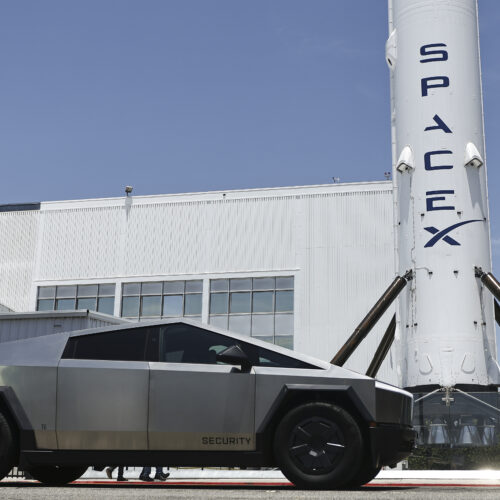
AI Weekly Issue #501: Musk's $1.75 Trillion Bet Isn't a Rocket Company

Musk takes SpaceX public Friday at $1.75 trillion, the largest IPO ever. Look past the rocket and you find the actual wager: an AI arm that lost $6.4 billion last year, a plan to put a million data-center satellites in orbit, and a valuation that has more than doubled since December. Below: how the pieces fit, what Apple's opposite bet tells us, and the launch of AI TV.

Stack Overflow Machine Learning Tag 2026-06-08 15:34 UTC Score 13.0 AI-112-20260608-social-media-04a6229a Full article

What should I focus on?

I’m a 1st-year B.Tech CSE (AI & ML) student, and my first year has just ended. During this year, I mainly focused on learning Python because it’s important for AI/ML. Now during my summer break, I’m feeling a bit confused about what direction I should take next. Should I continue focusing mainly on AI/ML, or should I also start preparing for SDE/software development roles alongside it? I want guidance on: - What skills I should focus on in 2nd year - What I should avoid wasting time on - Whether balancing AI/ML and SDE together is a good idea - Important technologies or subjects I should start learning early I’d really appreciate advice from seniors or people already working in tech.

IBM Research AI 2026-06-08 15:00 UTC Score 22.0 AI-060-20260608-official-ai--a4e1c952 Full article

Introducing SQL Data Insights Pro

Enabling semantic query processing in Db2 for digital sovereignty

Data Science Stack Exchange 2026-06-08 14:55 UTC Score 27.0 AI-111-20260608-social-media-a6dd7749 Full article

Solvability of time series forecasting problem

Does the problem of time series forecasting have or will it ever have a solution? In a strict mathematical sense. Will there ever be an algorithm that predicts a time series (almost)perfectly? Possibly with an acceptable lower bound for forecast error. I know about classical time series forecasting methods (like ARIMA, ETS, TBATS, etc.), about machine learning methods (linear, boosting) and deep learning (MLP, RNN, LSTM, even Transformer). But none of these methods make any assumptions about the data. In my understanding, it's impossible for the same model to predict energy consumption, stock prices, a sequence of prime numbers (that's also a time series, right?), and, for example, a sequence of squares of prime numbers equally well. Or am I wrong? No Free Lunch Theorem states what, without assumptions about data, there can't be a model that predicts perfectly (although everyone uses the same models for completely different data). In my opinion, it follows from this that perfect forecasting is impossible. On the other hand, Nearly Perfect Prediction Theorem states what perfect forecasting is possible (or at least its continuous analog). How can this be? I also very, very rarely see a strict formulation of the problem of forecasting a time series, from which it will follow whether the series is forecast correctly or not. Therefore I will give a statement of the problem that seems legitimate to me. Formally, a time series is a sequence of values $y$ , measured at constant time…

Stack Overflow AI Blog 2026-06-08 14:00 UTC Score 35.0 USR-0063-20260608-ai-specialis-1f148b3c Full article

What can 500 years of journalism teach developers about AI trustworthiness?​​​​‌‍​‍​‍‌‍‌​‍‌‍‍‌‌‍‌‌‍‍‌‌‍‍​‍​‍​‍‍​‍​‍‌​‌‍​‌‌‍‍‌‍‍‌‌‌​‌‍‌​‍‍‌‍‍‌‌‍​‍​‍​‍​​‍​‍‌‍‍​‌​‍‌‍‌‌‌‍‌‍​‍​‍​‍‍​‍​‍‌‍‍​‌‌​‌‌​‌​​‌​​‍‍​‍​‍‌‍​‌‍‌‌​​‍‍‌​‌‌​‌‍​‌‌‍​‌‍‍‌‍‌‌‍‌‍‌‌‌​‍‌‍‌‍‌‍​‌‍‌‌…

AI reliability issues stem from three separate architectural challenges that keep getting lumped into the same category. Prompt engineering alone can't fix them. But the sourcing and verification frameworks media organizations have used for centuries translate into clear engineering solutions developers can implement today.​​​​‌‍​‍​‍‌‍‌​‍‌‍‍‌‌‍‌‌‍‍‌‌‍‍​‍​‍​‍‍​‍​‍‌​‌‍​‌‌‍‍‌‍‍‌‌‌​‌‍‌​‍‍‌‍‍‌‌‍​‍​‍​‍​​‍​‍‌‍‍​‌​‍‌‍‌‌‌‍‌‍​‍​‍​‍‍​‍​‍‌‍‍​‌‌​‌‌​‌​​‌​​‍‍​‍​‍‌‍​‌‍‌‌​​‍‍‌​‌‌​‌‍​‌‌‍​‌‍‍‌‍‌‌‍‌‍‌‌‌​‍‌‍‌‍‌‍​‌‍‌‌​‍‍‌‍​‌‍​‍‌‍‍‌‌‍‍‌‌​‌‍‌‌‌‍‍‌‌​​‍‌‍‌‌‌‍‌​‌‍‍‌‌‌​​‍‌‍‌‌‍‌‍‌​‌‍‌‌​‌‌​​‌​‍‌‍‌‌‌​‌‍‌‌‌‍‍‌‌​‌‍​‌‌‌​‌‍‍‌‌‍‌‍‍​‍‌‍‍‌‌‍‌​​‌​‍​​‌​‌‍​‌‍​​‌​‍​‌‍‌‍‌‍​​‍‌​‌​​​​‌‍‌‍‌‍​‍​‍‌​‌​​​‌​‌‍​‍​​‍‌‌‍​‌​​​​​‌‍‌‌​‍‌​‌‌‌‍​‍​​​​‍‌​‌​​​‌‍‌‍​‌‍​‌​‌‍‌​‌‍‌‍‌‍‌​​‍‌‌​‌‍‌‌​​‌‍‌‌​‌‌‍​‍‌‍​‌‍‌‍‌‌‌​​‌‍‌​‌‌​​‍‌​​‌‍​‌‌‌​‌‍‍​​‌‌‍‌‌‌‍​‌‍​‌‍‌‌‌​‍‌​​‌‌​​‌‍​‍‌‍​‌‌​‌‍‌‌‌‌‌‌‌​‍‌‍​​‌‌‍‍​‌‌​‌‌​‌​​‌​​‍‌‌​​‌​​‌​‍‌‌​​‍‌​‌‍​‍‌‌​​‍‌​‌‍‌‍​‌‍‌‌​​‍‍‌​‌‌​‌‍​‌‌‍​‌‍‍‌‍‌‌‍‌‍‌‌‌​‍‌‍‌‍‌‍​‌‍‌‌​‍‍‌‍​‌‍​‍‌‍‌‍‍‌‌‍‌​​‌​‍​​‌​‌‍​‌‍​​‌​‍​‌‍‌‍‌‍​​‍‌​‌​​​​‌‍‌‍‌‍​‍​‍‌​‌​​​‌​‌‍​‍​​‍‌‌‍​‌​​​​​‌‍‌‌​‍‌​‌‌‌‍​‍​​​​‍‌​‌​​​‌‍‌‍​‌‍​‌​‌‍‌​‌‍‌‍‌‍‌​​‍‌‍‌‌​‌‍‌‌​​‌‍‌‌​‌‌‍​‍‌‍​‌‍‌‍‌‌‌​​‌‍‌​‌‌​​‍‌‍‌​​‌‍​‌‌‌​‌‍‍​​‌‌‍‌‌‌‍​‌‍​‌‍‌‌‌​‍‌​​‌‌​​‍‌‍‌​​‌‍‌‌‌​‍‌​‌​​‌‍‌‌‌‍​‌‌​‌‍‍‌‌‌‍‌‍‌‌​‌‌​​‌‌‌‌‍​‍‌‍​‌‍‍‌‌​‌‍‍​‌‍‌‌‌‍‌​​‍​‍‌‌

AI Now Institute 2026-06-07 15:10 UTC Score 32.0 USR-0135-20260607-ai-specialis-f3be71af

Here’s How Long It Will Take for AI to Reach Its Potential

“What is being sold is this idea of productivity and efficiency,” says Kate Brennan, associate director of the AI Now Institute, an AI-policy research center, “and what that means for the people doing the actual work is rarely part of the conversation.” The post Here’s How Long It Will Take for AI to Reach Its Potential appeared first on AI Now Institute .

Stack Overflow Machine Learning Tag 2026-06-07 14:47 UTC Score 12.0 AI-112-20260607-social-media-23255854 Full article

How to save a colored JPG image to the Milvus database?

I have an application on Symfony, through which images are uploaded. Image data should be saved to the Milvus database to be processed by AI in the future. If I understand everything correctly, for this I need to convert the JPG image into vectors and save the array of vectors into the database. The problem arose precisely at the stage of converting the image into vectors, since everything should happen on the server-side and should not refer to third-party APIs. I tried to use potrace but as far as I understand it can only create two-color images. I also tried to use Rindow Neural Networks , but since this is essentially my first time dealing with AI so closely, I couldn’t figure out how to process a JPG file and save it using this neural network. To work with Milvus, I'm trying to use mathsgod/milvus-client-php . The main task is to take a JPG image and save it in Milvus in a color format understandable for future AI processing. Maybe it doesn't need to be converted into vectors, maybe I need to use a different vendor to work with Milvus, maybe I'm missing something else. In general, all proposals are acceptable, except the AI ​​hallucinations, I've read quite a few of them over the past two weeks. Please help, I don't understand anything about AI.

ChinaTalk AI 2026-06-07 11:03 UTC Score 20.0 USR-0206-20260607-global-ai-ne-32522254 Full article

A Night at the UFC

Zhang Weili and agony

AI Weekly 2026-06-07 00:00 UTC Score 15.0 AI-133-20260607-newsletters-095657d1 Full article

AI Weekly Issue #500: $1.3 trillion vanished Friday. Bubble, or just profit-taking?

AI and chip stocks shed roughly $1.3 trillion on Friday, the semiconductor sector's worst day since 2020, after a hot jobs report spiked interest-rate fears and Broadcom's outlook rattled the chip trade. The sharpest people in finance flatly disagree on what it means: the bubble finally cracking, or profit-taking after a euphoric run. Here is the case for each, with the receipts. You decide.

Nvidia’s AI Hardware Comes to Windows in RTX Spark PCs
IEEE Spectrum AI 2026-06-06 12:00 UTC Score 46.0 AI-019-20260606-global-ai-ne-49efe0ba Full article

Nvidia’s AI Hardware Comes to Windows in RTX Spark PCs

At Computex 2026, an annual computer trade show held in Taipei, Taiwan, Nvidia made a long anticipated announcement—a version of the company’s Blackwell GB10 superchip for Windows PCs, called RTX Spark. Originally rumored to launch in 2025 , it was finally introduced at this year’s show. It came with full support from Microsoft, which announced two new devices powered by RTX Spark: the Surface Laptop Ultra and the Surface RTX Spark Dev Box . Asus, Dell, Lenovo, HP, and MSI also announced Windows PCs with RTX Spark. If this is triggering déjà vu, that’s for good reason. In June 2024, Qualcomm and Microsoft partnered to launch AI-focused Copilot+ PCs. Qualcomm’s Arm-based chips provided an alternative to x86-based chips from AMD and Intel used across dozens of budget and mid-range Windows laptops. It was met with mixed commercial success, however, and Intel remains the dominant supplier of chips for Windows laptops. But that doesn’t mean RTX Spark will follow the same path, as Nvidia’s involvement is an important part of the equation. “Nvidia just has more clout and more industry weight to push and make things happen that Qualcomm couldn’t do early on, and that even Microsoft struggled with,” says Ryan Shrout , president at Signal65 , a third-party testing firm. “They can get game developers on board and get software developers in the emerging AI space to pay attention.” What is RTX Spark? At its core, RTX Spark is an iteration of the hardware found in the DGX Spark mini-works…

AI Agents as "Games Masters"? 🎮🔥
Two Minute Papers 2026-06-06 06:20 UTC Score 29.0 AI-139-20260606-podcasts-and-ab8fb04a Full article

AI Agents as "Games Masters"? 🎮🔥

Check the pinned comment for the link to the full interview. Could AI agents eventually become the "Games Master" driving your gaming storylines? We explore the concept of AI assisting players or creating dynamic, non-scripted narratives. Discover how AI is currently being tested inside immersive game environments to change how we play. 🧠 Hashtags: #aiingames #gaming #ai #gamedev #futuretech