AI/ML News & Innovations Hub

AI/ML news, top picks, and generated innovation digests.

★ Visit ai-karthik.com
422Sources
8303News Items
8Top Picks
66Blogs
successLast Run

Latest AI/ML News

8303 matching items

Simon Willison Weblog 2026-06-23 18:58 UTC Score 48.0 USR-0110-20260623-ai-specialis-ffb8e0bc Full article

OPFS + Pyodide test harness

Tool: OPFS + Pyodide test harness I've been pondering if Datasette Lite - the Python Datasette application run entirely in the browser using Pyodide and WebAssembly - might be able to edit persistent SQLite files stored on the user's computer. That's what OFPS (Origin Private File System) is for, so I had Claude Code for web build me this playground UI to try it out in different browsers. Tags: browsers , pyodide , datasette-lite

ChatGPT Futures, Class of 2026: The Next Generation of AI Leaders
OpenAI YouTube 2026-06-23 18:45 UTC Score 32.0 AI-146-20260623-podcasts-and-631ae8fa Full article

ChatGPT Futures, Class of 2026: The Next Generation of AI Leaders

We asked the ChatGPT Futures Class of 2026 what they hope AI helps people do next. Their answers came back to access, education, connection, and possibility: AI that helps close gaps instead of widening them, gives more people the tools to learn and build, and creates more room for the human parts of life.

How to Create Powerful Loops in Claude Code
Towards Data Science 2026-06-23 18:00 UTC Score 36.0 AI-036-20260623-ai-specialis-4eef7456 Full article

How to Create Powerful Loops in Claude Code

Learn about the concept of loops to power your coding agents. The post How to Create Powerful Loops in Claude Code appeared first on Towards Data Science .

Cornell AI Initiative 2026-06-23 17:06 UTC Score 30.0 USR-0014-20260623-research-aca-9453a360 Full article

Smart drones, safe skies: Student’s system tests, coordinates drone fleets

Doctoral student’s project devises an autonomous airspace coordination system built around a real-time simulation and validation technology. The post Smart drones, safe skies: Student’s system tests, coordinates drone fleets appeared first on Cornell AI Initiative .

InfoWorld AI 2026-06-23 16:45 UTC Score 36.0 USR-0126-20260623-global-ai-ne-cfbd4ad8 Full article

EDB converges analytics on Postgres to support AI agents

Separating transactional databases from analytical systems was, until recently, considered good architecture. Now, as enterprises adopt AI agents that continuously read, reason over, and act on business data, data warehouse and database vendors are increasingly deciding that separation has become a liability. Just weeks after Databricks unveiled its Lakehouse Transaction and Analytical Processing (LTAP) offering based on Neon Postgres to bring operational (OLTP) and analytical (OLAP) processing closer together, EnterpriseDB (EDB) has introduced converged analytics capabilities for its managed EDB Postgres AI database service with the same intent. Both vendors are responding to the same pressure of enabling AI agents for enterprises to operate on fresh operational data without waiting for pipelines and replicas, but EDB argues its approach starts from a fundamentally different place. “Databricks is building from the lakehouse outward, trying to pull transactional capability in through Lakebase,” said Max Romanenko , chief engineering officer at EDB, while “we’re building from the operational layer with Postgres , which is where enterprises already run their most critical workloads, and expanding from there.” In contrast to Databricks’ lakehouse-centric LTAP, EDB keeps Postgres as the operational source of truth and uses Apache Iceberg as a shared catalog layer connecting Postgres with ClickHouse , WarehousePG, and Spark compute engines, Romanenko said. In this way, operationa…

AWS Machine Learning Blog 2026-06-23 16:39 UTC Score 55.0 AI-057-20260623-official-ai--c49e0b9b Full article

Build a protein research copilot with Amazon Bedrock AgentCore

This post shows you how to build a conversational protein research assistant that combines three capabilities: Natural language query parsing to extract structured search parameters, vector similarity search over protein embeddings using a specialized language model and ai-generated scientific summaries of search results.

Omio scales travel product development using OpenAI models
Artificial Intelligence News 2026-06-23 16:32 UTC Score 47.0 AI-029-20260623-ai-specialis-426cbb80 Full article

Omio scales travel product development using OpenAI models

Omio integrates OpenAI models across its engineering operations to accelerate travel product development and launch booking interfaces. The multimodal travel platform coordinates operations with over 3,000 transportation providers across 47 countries. Omio explicitly rejects the superficial addition of technology to outdated internal processes. The company’s CTO, Tomas Vocetka, requires all internal functions to completely redesign […] The post Omio scales travel product development using OpenAI models appeared first on AI News .

I Spent an Hour on a Data Preprocessing Task Before Asking Gemini
Towards Data Science 2026-06-23 16:30 UTC Score 25.0 AI-036-20260623-ai-specialis-45a90777 Full article

I Spent an Hour on a Data Preprocessing Task Before Asking Gemini

How Gemini solved my Pandas problem in seconds, and why data science fundamentals still matter to spot suboptimal solutions The post I Spent an Hour on a Data Preprocessing Task Before Asking Gemini appeared first on Towards Data Science .

GitHub Engineering 2026-06-23 16:00 UTC Score 29.0 USR-0062-20260623-ai-specialis-6b78510f Full article

I automated my job (and it made me a better leader)

Explore how my day as a senior leader looks now that I use 40 automations to help, and learn more about some of my favorites. The post I automated my job (and it made me a better leader) appeared first on The GitHub Blog .

When millions of AI agents meet
Google DeepMind YouTube 2026-06-23 15:48 UTC Score 61.0 AI-145-20260623-podcasts-and-6366ba2d Full article

When millions of AI agents meet

The conversation of the moment is focused on one topic: AI agents. Unlike traditional language models that simply respond to a prompt, autonomous agents can execute multi-step plans and perform complex tasks on your behalf. But what happens when millions of these agents are not just working for us, but transacting, negotiating, and delegating to one another? Nenad Tomašev, Senior Staff Research Scientist at Google DeepMind, joins host Hannah Fry to discuss the theoretical framework of a future"agentic economy." Together, they discuss the operational shift from single systems to a cooperative "society of specialists," the psychological risk of human automation bias, and the complex cybersecurity landscape—from dynamic cloaking to agentic traps—required to keep distributed intelligence secure. Timecodes: 00:00 Intro 1:07 Defining AI agents 4:44 Agentic exploration in science and research 15:46 Delegation between agents 22:46 Agentic security and traps 29:31 Building an agentic economy 33:22 Cognitive monoculture 36:29 Distributed intelligence To read the research, search for: Distributional AGI Safety, May 2026 Intelligent AI Delegation, February 2026 Virtual Agent Economies, September 2025 Learn more about our AGI control roadmap: https://deepmind.google/blog/securing-the-future-of-ai-agents/ ___ Subscribe to our channel https://www.youtube.com/@googledeepmind Find us on X https://x.com/GoogleDeepMind Follow us on Instagram https://instagram.com/googledeepmind Add us on Linke…

GitHub Engineering 2026-06-23 15:48 UTC Score 42.0 USR-0062-20260623-ai-specialis-41e4c400 Full article

GitHub joins coalition advocating for fixes to California AI Transparency Act to protect open source

We’re calling for targeted amendments to resolve conflicts with open source licensing and align with international transparency frameworks while preserving regulatory intent. The post GitHub joins coalition advocating for fixes to California AI Transparency Act to protect open source appeared first on The GitHub Blog .

MERICS China AI 2026-06-23 15:27 UTC Score 30.0 USR-0207-20260623-research-aca-6c87ae9e Full article

Xi visits Pyongyang and China rehabilitates North Korea

Xi visits Pyongyang and China rehabilitates North Korea H.Seidl Tue, 06/23/2026 - 17:27 picture alliance / KCNA via KNS via AP | Uncredited Comment Jun 24, 2026 5 min read Xi visits Pyongyang and China rehabilitates North Korea Russia’s renewed standing in northeast Asia and continued US strength in the region have encouraged Beijing to set aside reservations about its only official ally, says Andrew Scobell. Xi Jinping’s June 2026 two-day state visit to North Korea is an unmistakable sign that Beijing is working hard to bolster its typically tortuous relationship with Pyongyang. China’s ties with its sole official ally have changed remarkably – from fractured to friendly in less than ten years. The trip made Xi the first leader of the People’s Republic of China (PRC) in forty years to make two official trips to North Korea – his first, in 2019, correlated with a significant thaw in bilateral relations. Only one other Chinese leader had traveled to Pyongyang twice during his tenure: Deng Xiaoping visited North Korea in 1978 and 1982. Xi’s predecessors, Jiang Zemin and Hu Jintao, made only one trip each, while founding leader Mao Zedong made none, despite his momentous decisions to send Chinese troops to support a Pyongyang regime on the verge of collapse in 1950 and to sign a mutual defense treaty in 1961. (This list of travels does not include the many visits to China made by North Korean leaders .) Kim goes from “fatty” to friend For China, where symbolism and showing up m…

MongoDB AI Blog 2026-06-23 15:27 UTC Score 62.0 USR-0070-20260623-ai-specialis-63fbc659 Full article

Build Trust in Agentic AI: From POC to Production

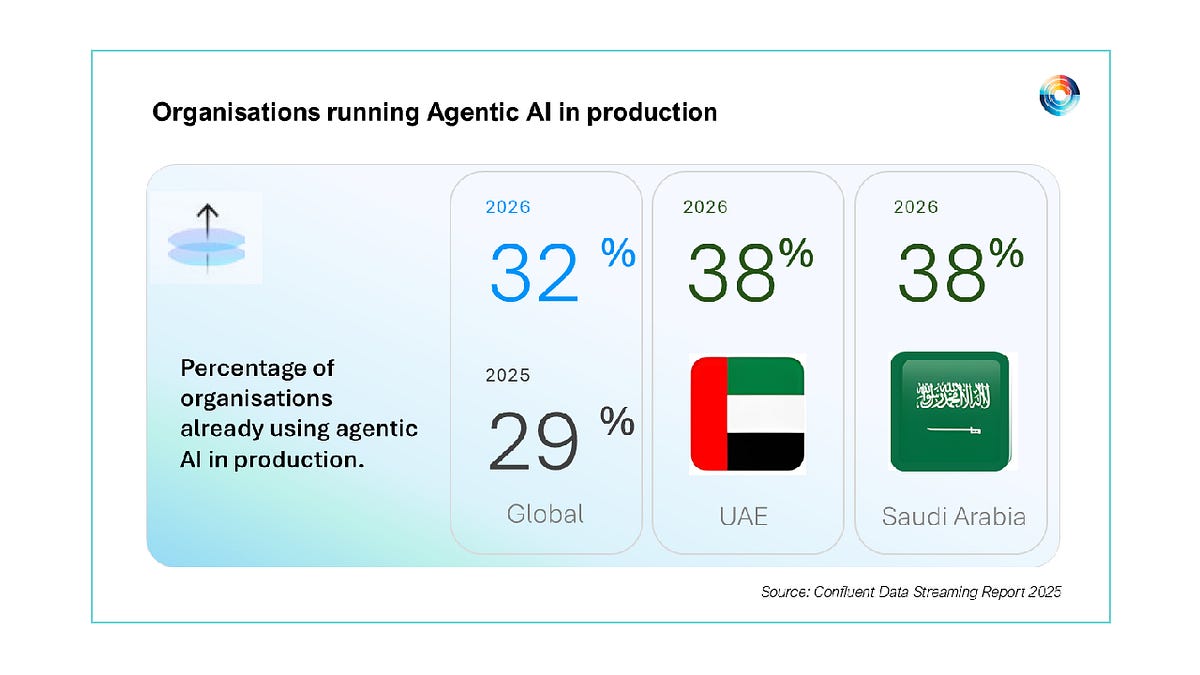
The enterprise adoption of artificial intelligence has reached an inflection point. Organizations are rapidly moving into the era of agentic AI, autonomous systems capable of executing complex reasoning and making operational decisions independently. Yet as executives attempt to transition agents from sandbox environments into mission-critical production channels, they inevitably collide with an AI trust gap. Unlike traditional applications, agentic solutions interpret intent and take autonomous action on behalf of your business. Traditional IT tools are not designed to manage dynamic solutions. To scale securely, organizations must deploy a proactive control plane that evaluates an agent's logic and employs strict governance. In this article, we outline a four-step approach for building safety and optimization into agentic solutions. The approach outlines a broad framework that can be tailored to an organization’s specific needs. The 4-step framework for agentic trust To close the AI trust gap, enterprises need to consider reliability, predictability, accountability, and optimization. To achieve this, we’ve outlined four steps with their critical capabilities. Figure 1. The Agentic Trust Framework: Four steps from reliability to optimized outcomes. Build Trust in Agentic Systems Blog - Image 1 media Customer refund example To anchor this framework, let us follow a common high-stakes workflow, a customer refund. On the surface, resolving a customer refund is a straightforwar…

MERICS China AI 2026-06-23 14:23 UTC Score 38.0 USR-0207-20260623-research-aca-94ee5987 Full article

EU: Shepherded by Brussels, Europe awakens to Chinese technology

EU: Shepherded by Brussels, Europe awakens to Chinese technology c.groth Tue, 06/23/2026 - 16:23 picture alliance / Long Wei / Costfoto Download (pdf - 3.95 MB) Report Jun 30, 2026 14 min read EU: Shepherded by Brussels, Europe awakens to Chinese technology You are reading the EU chapter of the 2026 report of the European Think Tank Network on China (ETNC) " Fragmented Europe: Dealing with China as a technology and innovation power ". Go back to the main page . By Rebecca Arcesati EU-China innovation relations have turned more difficult in recent years. Although government policies cannot undo deep interdependencies in science and business overnight, cooperation no longer goes uncontested. The exclusion of Chinese entities from large parts of the Horizon Europe funding program and capitals’ increased scrutiny of Chinese investments into high-tech sectors are just two examples of a wider transformation: From largely unconditional openness to China in science and technology, the EU’s approach has shifted towards a logic of “de-risking” and economic security. 1 Technology and innovation in EU-China relations: from openness to economic security Amid intense geopolitical and technological rivalry between Beijing and Washington, Europeans increasingly find themselves in a position of relative disadvantage and dependency. To be sure, European companies control “chokepoints” on some of the world’s most critical technology value chains, such as advanced semiconductor fabrication, and…

Here’s Why WebMCP is Exciting
KDnuggets 2026-06-23 14:00 UTC Score 36.0 AI-033-20260623-ai-specialis-73fa0c54 Full article

Here’s Why WebMCP is Exciting

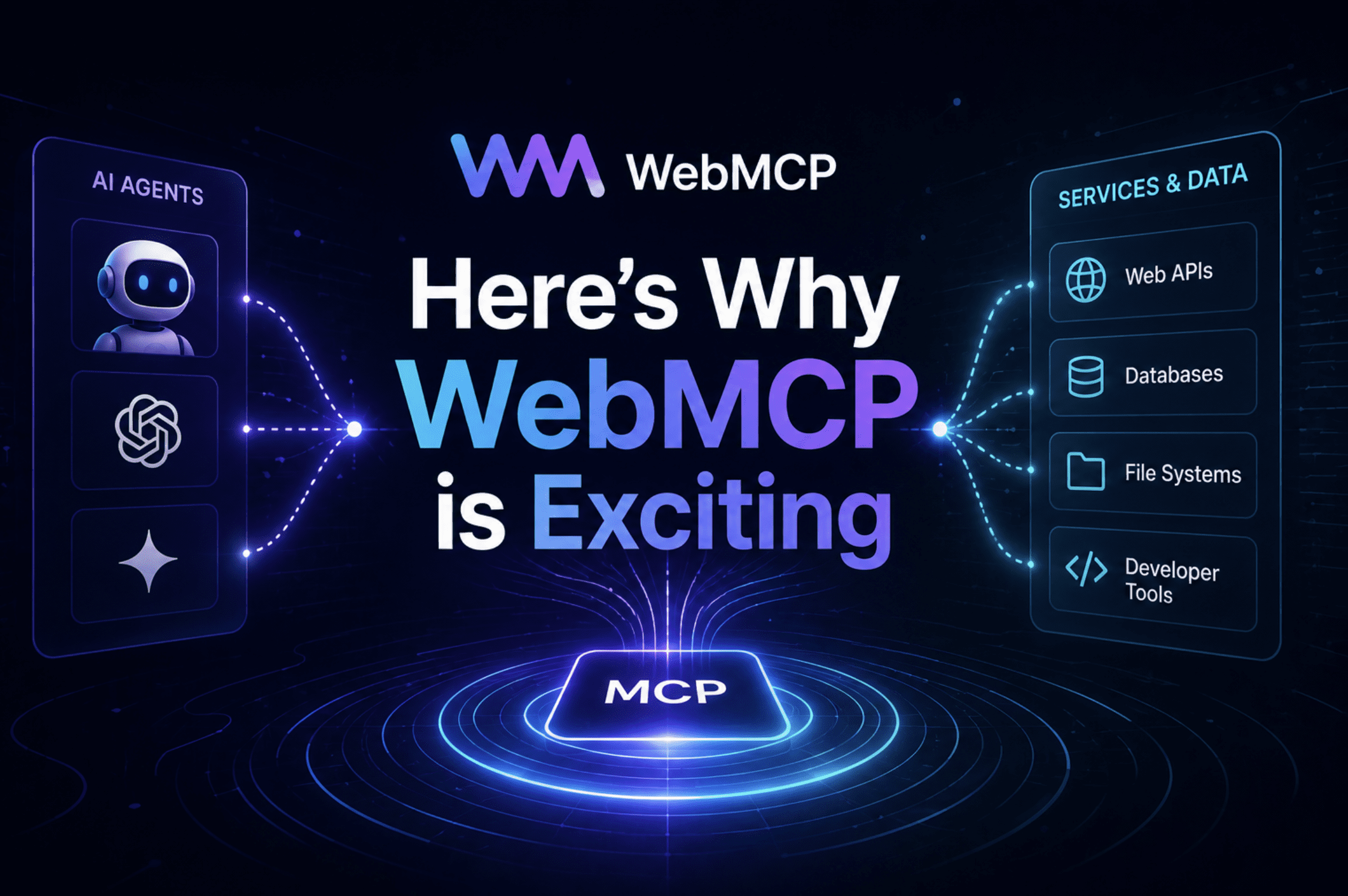
WebMCP is an open web standard that lets websites expose structured, callable tools directly to browser-based agents. Find out what makes it exciting.

Stack Overflow AI Blog 2026-06-23 14:00 UTC Score 30.0 USR-0063-20260623-ai-specialis-4cf2337b Full article

The 2026 Developer Survey is now open (for human developers only)!​​​​‌‍​‍​‍‌‍‌​‍‌‍‍‌‌‍‌‌‍‍‌‌‍‍​‍​‍​‍‍​‍​‍‌​‌‍​‌‌‍‍‌‍‍‌‌‌​‌‍‌​‍‍‌‍‍‌‌‍​‍​‍​‍​​‍​‍‌‍‍​‌​‍‌‍‌‌‌‍‌‍​‍​‍​‍‍​‍​‍‌‍‍​‌‌​‌‌​‌​​‌​​‍‍​‍​‍‌‍​‌‍‌‌​​‍‍‌​‌‌​‌‍​‌‌‍​‌‍‍‌‍‌‌‍‌‍‌‌‌​‍‌‍‌‍‌‍​‌‍‌‌​‍‍‌‍​‌…

Once again, we're asking for your help to take the temperature of software development. ​​​​‌‍​‍​‍‌‍‌​‍‌‍‍‌‌‍‌‌‍‍‌‌‍‍​‍​‍​‍‍​‍​‍‌​‌‍​‌‌‍‍‌‍‍‌‌‌​‌‍‌​‍‍‌‍‍‌‌‍​‍​‍​‍​​‍​‍‌‍‍​‌​‍‌‍‌‌‌‍‌‍​‍​‍​‍‍​‍​‍‌‍‍​‌‌​‌‌​‌​​‌​​‍‍​‍​‍‌‍​‌‍‌‌​​‍‍‌​‌‌​‌‍​‌‌‍​‌‍‍‌‍‌‌‍‌‍‌‌‌​‍‌‍‌‍‌‍​‌‍‌‌​‍‍‌‍​‌‍​‍‌‍‍‌‌‍‍‌‌​‌‍‌‌‌‍‍‌‌​​‍‌‍‌‌‌‍‌​‌‍‍‌‌‌​​‍‌‍‌‌‍‌‍‌​‌‍‌‌​‌‌​​‌​‍‌‍‌‌‌​‌‍‌‌‌‍‍‌‌​‌‍​‌‌‌​‌‍‍‌‌‍‌‍‍​‍‌‍‍‌‌‍‌​​‌​‌‌‌‍​‌‍‌‍​​​‌‍​​‍‌‍‌‌​​‌​‍‌‌‍‌‍‌‍‌‌​‌‌‍​‍​‍‌​‌​​‌‌‌‍​‌‌‍‌‍​‍‌‌‍​‍​‌‍​‍‌‌‍​​‍‌​‍‌​​‌​‌​​‌​​​​‌‌‍​​‌‍‌‍​‌​​​​‌‌​​‍​‍‌‌​‌‍‌‌​​‌‍‌‌​‌‌‍​‍‌‍​‌‍‌‍‌‌‌​​‌‍‌​‌‌​​‍‌​​‌‍​‌‌‌​‌‍‍​​‌‌‍‌‌‌‍​‌‍​‌‍‌‌‌​‍‌​​‌‌​​‌‍​‍‌‍​‌‌​‌‍‌‌‌‌‌‌‌​‍‌‍​​‌‌‍‍​‌‌​‌‌​‌​​‌​​‍‌‌​​‌​​‌​‍‌‌​​‍‌​‌‍​‍‌‌​​‍‌​‌‍‌‍​‌‍‌‌​​‍‍‌​‌‌​‌‍​‌‌‍​‌‍‍‌‍‌‌‍‌‍‌‌‌​‍‌‍‌‍‌‍​‌‍‌‌​‍‍‌‍​‌‍​‍‌‍‌‍‍‌‌‍‌​​‌​‌‌‌‍​‌‍‌‍​​​‌‍​​‍‌‍‌‌​​‌​‍‌‌‍‌‍‌‍‌‌​‌‌‍​‍​‍‌​‌​​‌‌‌‍​‌‌‍‌‍​‍‌‌‍​‍​‌‍​‍‌‌‍​​‍‌​‍‌​​‌​‌​​‌​​​​‌‌‍​​‌‍‌‍​‌​​​​‌‌​​‍​‍‌‍‌‌​‌‍‌‌​​‌‍‌‌​‌‌‍​‍‌‍​‌‍‌‍‌‌‌​​‌‍‌​‌‌​​‍‌‍‌​​‌‍​‌‌‌​‌‍‍​​‌‌‍‌‌‌‍​‌‍​‌‍‌‌‌​‍‌​​‌‌​​‍‌‍‌​​‌‍‌‌‌​‍‌​‌​​‌‍‌‌‌‍​‌‌​‌‍‍‌‌‌‍‌‍‌‌​‌‌​​‌‌‌‌‍​‍‌‍​‌‍‍‌‌​‌‍‍​‌‍‌‌‌‍‌​​‍​‍‌‌

Data Privacy Brasil AI 2026-06-23 13:53 UTC Score 32.0 USR-0222-20260623-ai-specialis-7ffd698a Full article

Dadocracia – Ep. 202 – Pix e Soberania Digital

No episódio 202 do Dadocracia, olhamos para os ataques dos Estados Unidos ao Pix e tentativas do Brasil de regular a atuação de grandes plataformas de tecnologia estadunidenses aqui dentro. O post Dadocracia – Ep. 202 – Pix e Soberania Digital apareceu primeiro em Data Privacy Brasil Research .

The real AI opportunity is creating new value
MarTech AI 2026-06-23 13:08 UTC Score 18.0 USR-0123-20260623-global-ai-ne-6548782d Full article

The real AI opportunity is creating new value

Cost savings are only the beginning. Learn how organizations move from AI-driven efficiency to entirely new sources of growth. The post The real AI opportunity is creating new value appeared first on MarTech .

Ben’s Bites 2026-06-23 13:02 UTC Score 3.0 AI-128-20260623-newsletters-74831c53 Full article

Record a skill

5.5-cyber vs mythos

Gradient Flow 2026-06-23 13:00 UTC Score 33.0 USR-0119-20260623-ai-specialis-b441ab38 Full article

What your base model doesn’t protect you from

Subscribe • Previous Issues The Data Compliance Problem AI Teams Keep Ignoring I’ve avoided writing about copyright and AI. Not because it isn’t important, but because it felt like a legal sideshow compared to the engineering and business questions I find more interesting. That’s gotten harder to justify. There is also something mildly funny about naming my Continue reading "What your base model doesn’t protect you from" The post What your base model doesn’t protect you from appeared first on Gradient Flow .

How Businesses Are Building Specialized AI They Can Trust
NVIDIA Blog 2026-06-23 13:00 UTC Score 62.0 AI-055-20260623-official-ai--942fad7a Full article

How Businesses Are Building Specialized AI They Can Trust

Editor’s note: This post is part of the Nemotron Labs blog series, which explores how the latest open models, datasets and training techniques help businesses build specialized AI systems and applications on NVIDIA platforms. Each post highlights practical ways to use an open stack to deliver real value in production — from transparent research copilots […]

Why the U.S. Uses Only Half of Its Grid Capacity
IEEE Spectrum Machine Learning 2026-06-23 13:00 UTC Score 33.0 AI-020-20260623-global-ai-ne-4bdceb20 Full article

Why the U.S. Uses Only Half of Its Grid Capacity

By most accounts, the United States appears poised to fall woefully short of meeting new electricity demand over the next five years as data centers and domestic manufacturing proliferate. Ian Magruder Ian Magruder is the founder of Utilize Coalition and previously served as director of market mobilization at Rewiring America, an affordable electrification advocacy group. Building new power plants and transmission lines may seem like the obvious solution, but there are other options, says Ian Magruder , founder of Utilize Coalition , a nonprofit based in Washington, D.C. The U.S. uses only about half of its grid capacity, and a lot more power could be tapped by deploying a spate of newly available technologies. Backed by Google , Tesla , HVAC systems manufacturer Carrier , and several other companies, Utilize Coalition advocates for more thorough use of grid capacity through policy change and new technologies. Magruder spoke with IEEE Spectrum about those efforts. Why does the United States use only half of its grid? Ian Magruder: Most studies have found that average utilization rates are between 40 and 55 percent across different geographies. And the reason is that we’ve built our grid to meet peak demand. We have to ensure that on the hottest summer day or the coldest winter morning we have enough power. But in many parts of the country, we really only hit peak a few days a year, and it’s really only a few specific hours within those days. It didn’t used to be this way. Wh…

OpenAI News 2026-06-23 13:00 UTC Score 50.0 AI-044-20260623-official-ai--1b1b1aa4

Helping build shared standards for advanced AI

OpenAI helps build shared standards for advanced AI, supporting evaluation frameworks, safety practices, and global cooperation through the Appia Foundation.

GEO is following the same path as early SEO
MarTech AI 2026-06-23 12:42 UTC Score 25.0 USR-0123-20260623-global-ai-ne-86b3c41d Full article

GEO is following the same path as early SEO

SEO's history offers clues about which GEO tactics may endure, which may disappear, and why sustainable approaches matter most. The post GEO is following the same path as early SEO appeared first on MarTech .

Analytics Vidhya 2026-06-23 12:30 UTC Score 40.0 AI-034-20260623-ai-specialis-d20f90ab Full article

Sakana Fugu: Multi-Agent System as a Model

For years, AI progress has centered on scaling individual foundation models: larger parameters, longer context windows, stronger reasoning, and better tool use. Sakana AI’s Fugu points elsewhere, behaving like one model from the outside while coordinating multiple expert agents internally. A single API call can trigger direct answering, specialist delegation, intermediate verification, and final synthesis, […] The post Sakana Fugu: Multi-Agent System as a Model appeared first on Analytics Vidhya .

Mistral AI News 2026-06-23 12:00 UTC Score 33.0 AI-062-20260623-official-ai--5bf2bc3d Full article

Introducing Mistral OCR 4

Mistral OCR 4 delivers enterprise document AI with 170-language support, bounding boxes, and self-hosted deployment.

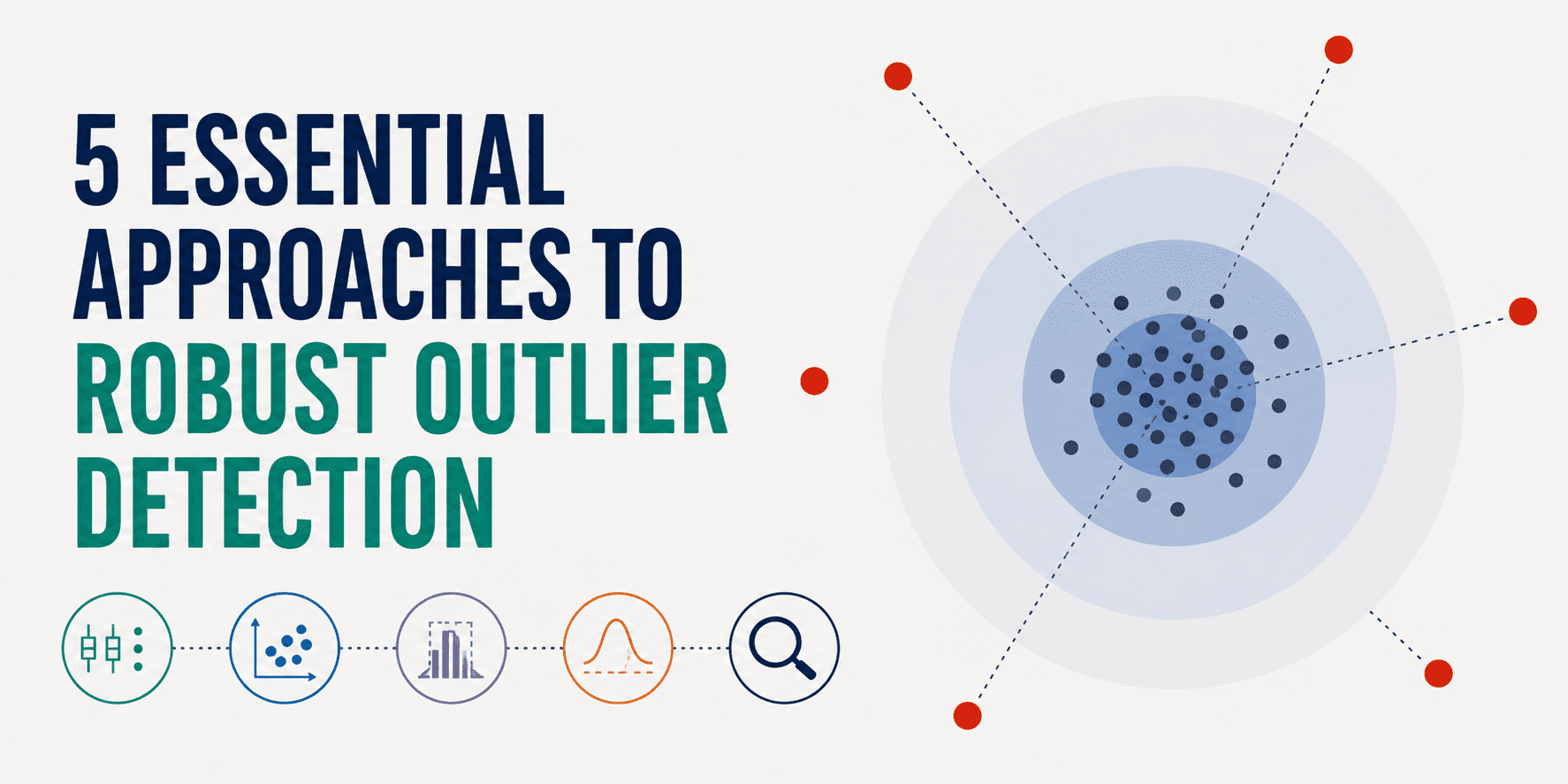
5 Essential Approaches to Robust Outlier Detection
KDnuggets 2026-06-23 12:00 UTC Score 28.0 AI-033-20260623-ai-specialis-5c75b170 Full article

5 Essential Approaches to Robust Outlier Detection

Outliers can easily ruin the performance of any predictive analysis models you build: robustly detecting and handling them is crucial in any data project. This article lists and compares five essential approaches for detecting them.

AI Is Learning to Read the Room
IEEE Spectrum Machine Learning 2026-06-23 12:00 UTC Score 52.0 AI-020-20260623-global-ai-ne-9e51e809 Full article

AI Is Learning to Read the Room

Imagine sitting down at your desk and logging in for a performance review, with an AI system analyzing the conversation. You’ve been working long hours, balancing deadlines, and your manager asks how you’re doing. You say you’re fine, and maybe even smile, but there’s a hint of hesitation and your voice wavers. As you shift your posture, your shoulders slump. These are subtle cues that to the human eye might hint at underlying stress. But to an AI model that’s been trained only to categorize emotions as “happy” or “sad,” such nuances are likely lost. It logs the words and a smile and moves on—and unless your human manager intervenes, the fact that you’re tired, unfocused, and maybe a couple of days from burnout never enters the equation. “ Emotion AI ,” which estimates how people feel based on facial expressions, voice tone, and behavior, seems to be suddenly everywhere; it’s being used in employee well-being and recruitment interviews, education platforms, and driver-monitoring systems. Technology call-center platforms such as NiCE and Genesys use AI to detect when a customer sounds frustrated and prompt agents in real time to slow down or respond with more empathy. Giant companies like Meta and startups such as Hume AI are developing more-expressive voice AI systems that can detect emotional cues in the person they’re “talking” to and adjust how they communicate. What’s more, hundreds of companies already offer virtual AI companionship apps, a fast-growing market that may…

Stack Overflow Machine Learning Tag 2026-06-23 11:46 UTC Score 26.0 AI-112-20260623-social-media-f9517bb4 Full article

How can I improve the accuracy of a Random Forest model for student performance prediction?

I am a beginner learning machine learning. I built a Random Forest classifier to predict student performance using a dataset from Kaggle. My model currently achieves about 87% accuracy. I would like to know what are some common ways to improve the performance of a Random Forest model. Should I focus on feature selection, parameter tuning, or data preprocessing? Any suggestions would be appreciated.

How Omio is building the future of conversational travel
OpenAI YouTube 2026-06-23 11:30 UTC Score 35.0 AI-146-20260623-podcasts-and-228b1598 Full article

How Omio is building the future of conversational travel

What happens when one of the world's leading travel platforms combines real-time transportation data with AI? In this customer story, Omio shares how it's using ChatGPT, Codex, and the OpenAI API to reimagine how travelers discover and book journeys, while transforming how teams build and operate across the business. Hear from Tomas Vocetka, CTO at Omio, as he discusses the shift from search-based experiences to conversational travel, the company's journey to becoming AI-native, and how AI is helping accelerate product development, experimentation, and innovation at scale. Read the full story: www.openai.com/customer-stories/omio

ChinaTalk AI 2026-06-23 10:54 UTC Score 23.0 USR-0206-20260623-global-ai-ne-f71a7e1f Full article

Rare Earths

What is to be done?

InfoWorld AI 2026-06-23 10:35 UTC Score 49.0 USR-0126-20260623-global-ai-ne-2f2c8cf8 Full article

OpenAI rolls out AI-led push to fix open-source software flaws

OpenAI has launched a program with cybersecurity firm Trail of Bits to use AI to find and fix vulnerabilities in widely used open-source software, as enterprises face growing risks from flaws buried deep in their software supply chains. The initiative, called Patch the Planet , uses AI-assisted vulnerability research alongside human review to help turn security findings into tested fixes that can be disclosed through existing project channels. Initial participants include Python, Go, cURL, Sigstore, NATS Server, aiohttp, freenginx, pyca/cryptography, and python.org. These projects support software development, networking, cryptography, and supply chain infrastructure used across a wide range of enterprise applications and services. OpenAI said each engagement will begin with consultation with maintainers to identify where security support is most needed. Researchers will then investigate potential vulnerabilities, validate meaningful issues, develop or refine patches, support testing, and coordinate disclosure through the project’s existing channels. Participating security researchers will use the company’s models and Codex Security to analyze code and help move fixes toward release. Trail of Bits engineers will review findings before they are sent to maintainers, a step meant to filter out false positives and duplicate reports before they add to the workload of open-source projects. The company is also working with HackerOne and Calif to support vulnerability triage, coordi…

InfoWorld AI 2026-06-23 09:00 UTC Score 63.0 USR-0126-20260623-global-ai-ne-ff44453e Full article

The missing layer in enterprise agentic AI

In the past year, the enterprise AI ecosystem has gained enormous capability and zero consensus. Developers now have a remarkable set of tools for building AI agents: OpenAI’s frameworks, Anthropic’s Claude tooling, LangChain, LangGraph, CrewAI, Microsoft AutoGen, and a growing list of alternatives. Each promises to coordinate reasoning loops, manage multi-step task execution, and connect agents to tools and APIs. For experimentation, the progress has been substantial. Teams can now assemble sophisticated agent workflows in days that would have taken months two years ago. But I’ve watched this pattern before. In over two decades of building and selling distributed systems platforms, I’ve seen the same dynamic play out across nearly every major infrastructure shift: the tools for consuming a new capability arrive before the infrastructure for governing it does. The gap that emerges isn’t immediately obvious in development environments. It becomes obvious in production. That’s exactly where enterprise AI stands today. What agent frameworks don’t handle Modern agent frameworks are fundamentally coordination systems. They determine what a system should do: which tools to call, how to sequence tasks, how to delegate work across agents. That’s hard work, and they’ve gotten quite good at it. What they rarely address is where those tasks are allowed to run, and under what conditions. Take a seemingly simple workflow: summarize customer support transcripts using an LLM. In a developm…

InfoWorld AI 2026-06-23 09:00 UTC Score 23.0 USR-0126-20260623-global-ai-ne-15847a16 Full article

How fuzzy APIs are remaking the web

For nearly as long as the web has existed , web development has wrestled mightily with the right way to connect components over the network. This is the question of the remote API . It influences every aspect of the software we build. We sort of arrived at a tolerable compromise with JSON APIs. While these have their limitations, you have to appreciate their underlying simplicity. But the advent of AI-enabled endpoints that can mediate intent is changing the basic workings of the internet. This change is gradually reawakening an old dream, the service-oriented architecture (SOA). This time around, with luck, we’ll finally gain the flexible, discoverable, and maintainable automated service discovery we’ve longed for. Fingers crossed. Why old-school SOA failed Let’s call this burgeoning influence of AI on web architecture SOA 2.0. To understand why SOA 2.0 is different from SOA 1.0 , we have to remember the trauma of the 2000s. (This may be painful but also cathartic.) The original dream of SOA was beautiful: a world where disparate business services—inventory, billing, shipping, you name it—could automatically discover each other, understand capabilities, and orchestrate complex tasks without human intervention. To achieve this, we built a monument to complexity. We had SOAP (Simple Object Access Protocol) for messaging, WSDL (Web Services Description Language) to define contracts, and UDDI registries for service discovery. At the center of it all sat the Enterprise Service B…

Europe’s cloud sovereignty push may backfire
InfoWorld AI 2026-06-23 09:00 UTC Score 28.0 USR-0126-20260623-global-ai-ne-7ead2403 Full article

Europe’s cloud sovereignty push may backfire

The European Commission’s latest push to reduce dependence on foreign technology providers is not surprising. If Europe believes that critical digital services could be disrupted by foreign governments, foreign legal systems, or foreign-owned providers, it will, of course, respond. That concern is now being expressed in the language of “kill switch” risk, meaning the fear that the cloud, AI, or semiconductor services that Europe depends on could be interrupted or constrained by forces beyond its control. At a high level, that concern is valid. Europe is right to worry about strategic dependence. If critical public services, regulated workloads, or national-interest systems rely on infrastructure controlled elsewhere, sovereignty becomes more than a policy slogan. It becomes an architectural issue. However, I am skeptical of the leap from identifying the problem to assuming that a policy response will produce a cleaner, safer, or even more sovereign market. There is a good chance it may do the opposite. What Europe is trying to protect The motivation behind this effort is clear. Europe wants to reduce its dependence on cloud computing , artificial intelligence , and semiconductors from providers it does not fully control. It wants to ensure that core digital services cannot be switched off, legally constrained, or strategically influenced from outside the region. That is the public policy objective, and from a government standpoint, it makes sense. The problem is that cloud m…

Data Science Stack Exchange 2026-06-23 08:00 UTC Score 19.0 AI-111-20260623-social-media-dd3dfdf4 Full article

PCA but could handle mixed dataframe

i have a dataframe with "author" column and "isbn" column. and both are has dtype "str". but my dataframe also has column that pure numeric. so i want function that very similiar with PCA. but it could handle dataframe as i mentioned previously. (note: i want the function does not originating from prince library. because several reasons)