75% of developers I surveyed prefer Claude Code - here's why they choose it over Codex
Three out of four of the 138 developers I surveyed use Claude Code. Here's what they say matters in daily AI coding workflows.
AI/ML news, top picks, and generated innovation digests.
35603 matching items
Three out of four of the 138 developers I surveyed use Claude Code. Here's what they say matters in daily AI coding workflows.

Protect your Samsung phone with these cases and screen protectors.
Presight posts record order backlog, international revenue up 40% in H1

Marijuana row: Air India orders drug tests for pilots
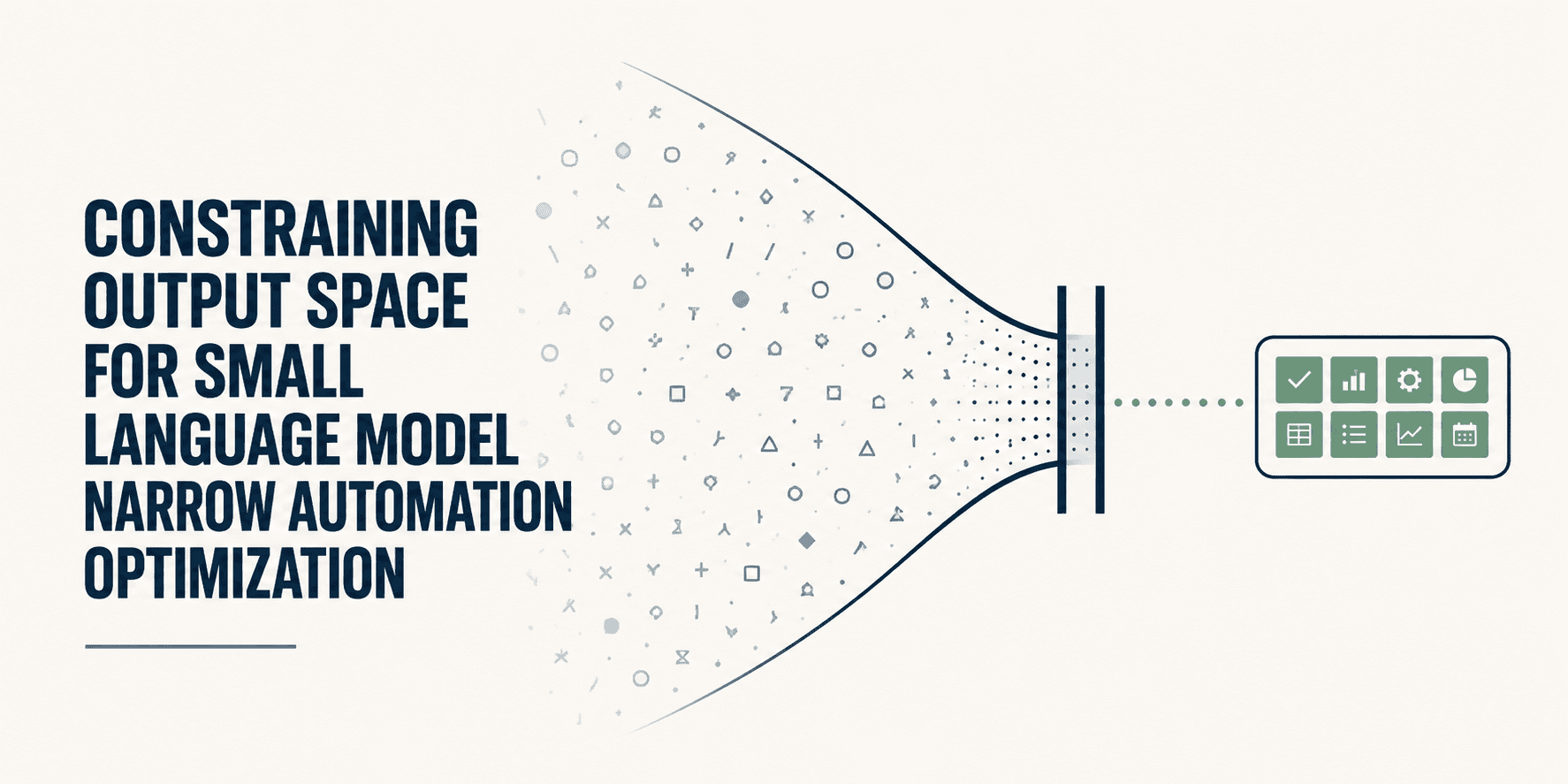
This article will kick off a series on narrow automation optimization for SLMs, and as the first entry will cover one of the more most useful techniques for doing so: constraining the output space instead of parsing generated text.
Ukraine's Air Force has reported two attacks with the KN-23 since late July after a months-long pause.
A practical guide to choose the proper tool for your agentic workflows and systems The post LangChain vs LangGraph: 4 Key Differences and When to Use Each appeared first on Towards Data Science .

It’s a nice sentiment, but all AI users should ask three questions about their preferred choice of AI platform On Monday, Mark Zuckerberg published a 6,500-word essay, The Future Is for Everyone. The essay came with something even rarer: a new Meta open-weight model. An open-weight AI model is the kind of AI with which you download the entire thing, and it works on your own computer (with or without the internet) and nobody can switch it off except for you. Almost every mainstream AI tool you use, whether it be Gemini, ChatGPT or Claude, is one you rent access to. Meta’s is one that you can download and actually own. I downloaded it before I finished the essay. So can you. This major move by the world’s largest tech heavyweight comes amid a summer heavy with AI news, full of nations at war. Washington against Beijing; tech founder against tech founder. But beneath those conflicts is a deeper contest between two kinds of power: a government that can order technology offline in an instant, and a company that can simply close your account. Neither is necessarily villainous. But the rest of us are not merely the audience in this fight; we are the prize. And the terms are already being written: intelligence on lease, a future we pay for but never quite own. Continue reading...



The Capital Market Authority is investigating the poor performance of recent share sales as it looks to revitalize the market.

I really enjoyed reading this. The content flows naturally and is very insightful. EPL Feedback
"Spider-Man: Brand New Day" has faced backlash for its portrayal of mass surveillance, sparking ethical debates similar to those in "The Dark Knight."
Suspending Discord's 'Go Live' feature, the National Data Protecting Authority has asked the company to prove compliance to Brazil's Digital ECA after a 13-year-old girl's suicide during a livestream. The post Data protection authority suspends Discord livestreams in Brazil after teen’s suicide appeared first on MEDIANAMA .
Critics worry Anthropic's new Claude watermark could affect text output, privacy, and how AI-assisted work is judged.

The process of sending someone a file or sharing your information on Android just got a lot simpler.

CRM provider confirms customer database was copied and probably downloaded in readable form
These dates come from the Department of Social Development's 2026/27 payment schedule, approved by National Treasury.

While both the US and Iran make claims to operating Hormuz, the reality may be that it’s a small fleet of oil tankers actually running the waterway.
DeepSeek-V4-Pro exits four months of preview with major agent upgrades, flexible reasoning modes, and native OpenAI Responses API support for Codex workflows

Container volumes at Jebel Ali plunged nearly 90% in the second quarter, but overall revenue still rose as the group’s global network of ports helped to offset the slowdown in its home market.
Sarvam AI opens its Samvaad Voice Agents platform to everyone, backed by 350M enterprise conversations and a fresh $1.5B unicorn valuation
The growth comes as payments become an integral part of how banks capture value from Africa’s digital economy.
Renting its compute is an enticing revenue stream, but challenges include building trust with a new batch of customers
Einige Claude-Nutzer sind verärgert. Sie fürchten, dass ihre KI-Nutzung zeitnah leichter auffliegen kann. Aber auch diese Kritik bekommt Gegenstimmen.

The mark flags anything Claude processed, even human writing it only edited.

Britain is set to face it's fifth heatwave this summer while France has put 80 départements on orange alert.
Therapists in Silicon Valley are finding that AI in the workplace is leading to greater anxiety for tech workers.
Ray Dalio shared reflections on spirituality after witnessing a solar eclipse, following a lavish birthday celebration in Ibiza's UNVRS nightclub.

Burgas has been announced as the unexpected host of next year’s Eurovision. Here’s everything you need to know ahead of a visit to the Bulgarian beach city.

Russia's President Vladimir Putin observed naval exercises off Sakhalin Island on Thursday before travelling to the disputed Kuril Islands, prompting a strong protest from Japan.
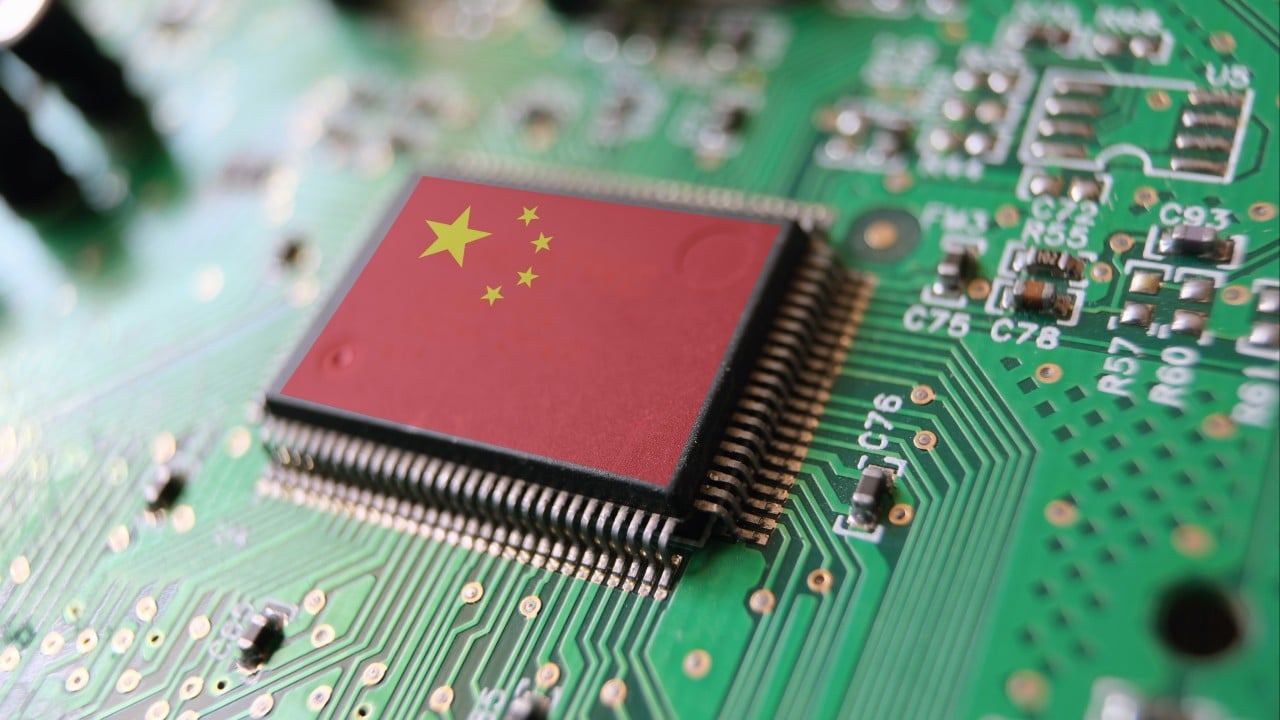
China’s top two contract chipmakers, Semiconductor Manufacturing International Corporation (SMIC) and Hua Hong Grace Semiconductor, saw their profits surge by triple digits in the second quarter, amid a spike in demand for domestic artificial intelligence chips free of US export controls. Net profits for SMIC and Hua Hong jumped 261.7 per cent and 385.9 per cent year on year to US$479.2 million and US$38.6 million, respectively, in the June quarter. SMIC, the country’s largest foundry, said...
A few months ago, I was sitting in a glass-walled conference room with the executive team of a fast-growing enterprise. The vice president of customer operations was enthusiastically demonstrating the new automated agent features their software vendor had just pushed into their CRM platform. On the screen, the software looked brilliant. The agent could read customer complaints, analyze transaction histories and automatically resolve issues. The VP showed us how the system could independently offer retention incentives to unhappy accounts without a human ever touching a keyboard. Then I asked a simple question: “What is your approval process when the AI decides to grant a $20,000 contract discount to keep a customer from leaving?” The room went completely silent. The VP looked at the director of IT, the director of IT looked at the chief risk officer, and everyone realized the same thing at the exact same moment. They had spent three months evaluating software licenses and security protocols, but nobody had asked who gave the software permission to sign off on corporate spending. Major software providers like Salesforce, SAP and Oracle are rapidly moving beyond simple report writers and conversational chatbots. They are embedding active, autonomous agents directly into the transactional core of systems that manage your revenue, customer agreements and financial ledgers. According to Gartner’s latest adoption forecasts , eighty percent of enterprise applications will deploy th…

Speedy Qi2 wireless charging in a magnetic puck and stand combo makes Google’s Pixelsnap well worth grabbing at half price.


China is racing ahead on orbital data centres while Europe still debates the concept, a new policy brief warns, and the gap is starting to widen.

Honasa Consumer, the parent company of Mamaearth, announced its financial results for the first quarter of the fiscal year ending March 2027 (Q1 FY27). The company reported a 27% year-on-year growth in its scale during the quarter, while its profit more than doubled to Rs 90 crore, its highest quarterly profit to date. The company’s revenue from operations increased to Rs 756 crore in Q1 FY27 from Rs 595 crore in Q1 FY26, according to its financial statements accessed from the National Stock Exchange of India (NSE). The company did not provide a detailed revenue breakdown, it also recorded Rs 22.5 crore from non-operating activities, taking its overall revenue to Rs 778 crore in Q1 FY27 during the quarter. According to its shareholders’ letter, Honasa’s recent acquisition, men’s grooming brand Reginald Men, has grown more than 2X since the acquisition and now has an annual revenue run rate of over Rs 150 crore, the company said. For the D2C brand, cost of materials remained the largest cost centre and rose 34% year-on-year to Rs 229 crore from Rs 171 crore. Employee benefit expenses increased 10% to Rs 66 crore from Rs 60 crore. Finance costs, depreciation and amortization expenses and other overhead drove Honasa’s overall expenses to Rs 659 crore in Q1 FY27 from Rs 564 crore in the year-ago quarter. At the bottom line, the company reported a more than 2X jump in profit to Rs 90.45 crore in Q1 FY27 from Rs 41.33 crore in Q1 FY26. EBITDA also doubled to Rs 110 crore during th…
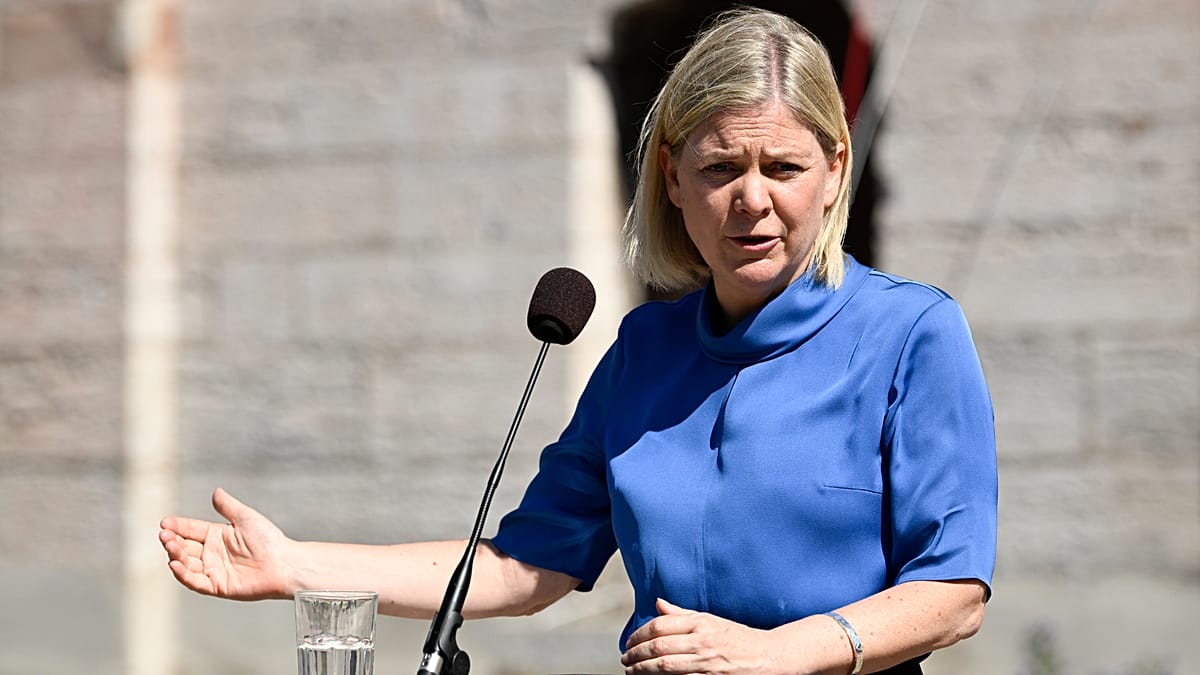
Sweden is part of the EU's so-called "frugal" bloc, alongside Germany and the Netherlands - net contributors pushing to rein in the bloc's next long-term budget and limit the cost for national taxpayers. But a shift to the left in Stockholm is unlikely to soften its position.
AI was involved in 55% of cybercrime cases observed by African countries surveyed by Interpol in 2025, as criminals used the technology to produce convincing phishing messages, fabricate identities, and impersonate executives and public figures. Deepfake incidents increased sevenfold between the second and fourth quarters of 2024.

German robotics company NEURA Robotics will acquire the ACTIVE Shuttle driverless transport system from Bosch Rexroth effective October 1, 2026. The ACTIVE Shuttle has established itself in numerous ...

Anthropic's Fable 5 is considered the most powerful AI model on the market, but U.S. companies are barely buying it. According to Ramp data, Fable 5 accounts for only six percent of Anthropic tokens sold. The model's steep price tag suggests corporate AI spending may have hit a ceiling, at least as long as performance gains don't translate into measurable everyday value. The article Fable 5's slow adoption suggests corporate willingness to pay for frontier AI has hit a ceiling appeared first on The Decoder .

A Russian Shahed drone struck a passenger train in Ukraine’s Odesa region on 13 August 2026, killing the driver and his assistant and forcing the evacuation of 340 passengers, including 67 children, in the Berezivka district.
IAPS fellow Severin Field interviewed 25 researchers from OpenAI, Anthropic, Google Deepmind, Meta, and US universities about recursive self-improvement. In a new blog post, he takes stock. Several of the milestones those researchers named have already been hit. The article Top AI lab researchers warned about automated AI research, and several of their predicted milestones have already fallen appeared first on The Decoder .


Villa Dorothéa is designed as a private micro-neighbourhood within Lapa, threaded through with passageways that give it the feel of a village.

Gibraltar, Marbella and Lampedusa all lie in the path of totality for the eclipse on 2 August, 2027.